St Francis' Hospital
Locations
Katete District, Zambia
Elective Options
Usual Capacity
10 Spaces
Cost & Dates
4-week placement: £105 per week
(total £420)
Additional weeks: £100 per week
Accommodation & meals: Included
Booking fee:
from £200
Subject Areas
Medicine
Surgery
Paediatrics
Obstetrics & Gynaecology
Anaesthetics
-
Overview
-
Academic Overview
-
Elective Format
-
Subject Areas
-
Accommodation
-
Local Area / Map
-
Cost & Dates
-
Media
-
FAQ
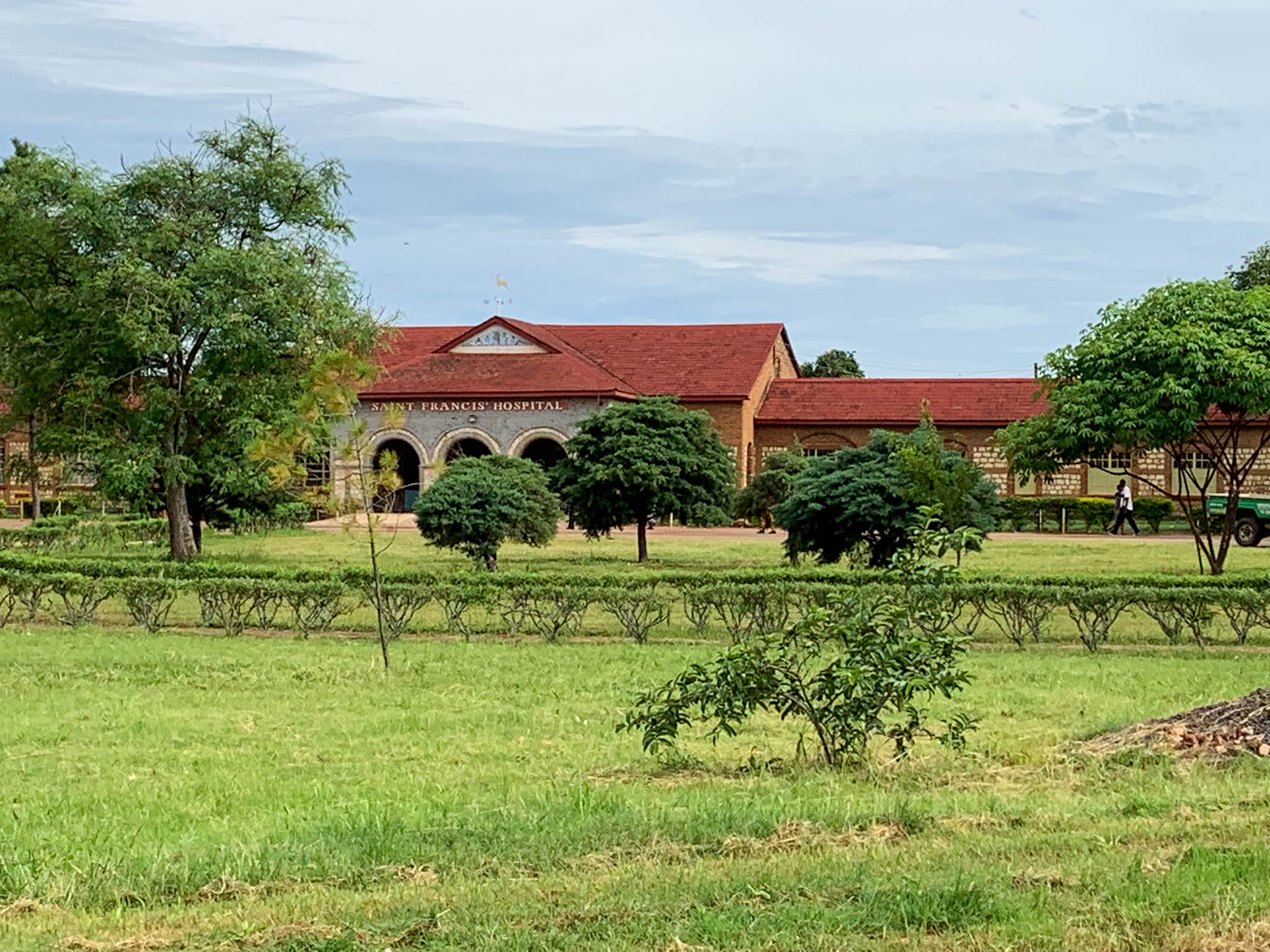
St Francis’ Hospital is a 490-bed mission hospital in Katete District, Eastern Province, Zambia. Jointly run by the Anglican and Catholic Churches, it provides essential district and referral services for a population of over 200,000 and receives patients from across the wider province. The hospital offers broad clinical exposure across Medicine, Surgery, Paediatrics, Maternity, Anaesthetics and neonatal care, and plays a key role in training Zambian doctors, nurses and midwives.
Students are warmly welcomed into a busy clinical environment where learning is grounded in real practice. St Francis has a long history of hosting international electives and encourages students to spend at least four weeks with one team to build relationships and better understand local healthcare systems before considering a rotation.
Located just outside Katete town and about 500 km from Lusaka, the hospital campus is a friendly and active community with access to small shops, markets and local transport. Students often explore nearby areas on weekends, including Katete town, Chipata and the South Luangwa National Park.
Electives at St Francis’ Hospital begin with a four-week attachment to one clinical team, allowing students to settle in, understand local systems and build strong relationships with staff. After this initial period, students may rotate to other departments depending on supervision and availability.
Days typically start with morning ward rounds at 07:30 or 08:00, followed by ward work, clinics and departmental activities. Students may also join evening or weekend rounds, and can attend regular Clinical and Mortality meetings held twice weekly. Theatre sessions in Surgery and Obstetrics & Gynaecology run several times a week, with opportunities to observe or assist depending on your level of training.
Clinical teaching is largely informal and embedded in daily practice, with many opportunities to learn alongside medical officers, consultants and local trainees.
Students at St Francis’ Hospital can join clinical teams across Medicine, Surgery, Paediatrics, Obstetrics & Gynaecology and Anaesthetics.
Electives begin with a four-week attachment to one department, with the option to rotate depending on supervision and availability. This structure helps students settle in, build confidence and gain meaningful experience within a busy rural hospital.
Students stay in rooms and shared houses located on the St Francis’ Hospital campus. You may have your own room or share with one other student, and each house has a toilet, basin and shower attached. Rooms are simple but comfortable, and bedding and laundry are taken care of by the campus staff.
All students eat in the Staff Mess, where three meals per day are provided as part of the elective package. Vegetarian diets can be catered for, although the menu may be repetitive. Self-catering facilities are also being added and may be available from 2026.
The campus has a warm, community atmosphere, with Mess staff on hand to help with practical issues. WiFi is available in the hospital but not in most accommodation areas, so students often purchase a local Airtel SIM for data. Power is generally reliable, though occasional outages can occur, and students are advised to bring a torch.
St Francis’ Hospital is located in Katete, a friendly town in Zambia’s Eastern Province with a mix of small shops, markets and local services. Within easy reach of the hospital are supermarkets, cafés, a local market and community facilities. The hospital campus is lively and welcoming, with regular football matches and student activities.
Students often explore the wider region during weekends. South Luangwa National Park, one of Zambia’s most popular wildlife reserves, is a major attraction and can be visited on short trips. The town of Chipata is 90 km away and offers larger supermarkets, banks and transport links for wider travel, including onward routes to Malawi.
The climate varies through the year, with hot months in October–November and rains from November to January. Evenings can feel cool during the dry season, and warm layers are recommended.
Most students travel via Lusaka (5–7 hours by road to Katete) or via Lilongwe in neighbouring Malawi, which offers a shorter but more multi-step route through Mchinji and Chipata.
| Item | Details |
|---|---|
| 4-week placement | £420 total (includes accommodation & all meals) |
| Extra weeks | £100 per week |
| Accommodation | Included (room in shared house on hospital campus) |
| Meals | Included (3 meals per day in the Staff Mess) |
| Availability | Year-round |
| Minimum stay | 4 weeks |
Included:
Accommodation, 3 meals per day, supervision, hospital orientation.
Not included:
Flights, visas, insurance, SIM/data, weekend travel, personal expenses.
FTE booking fee applies
How long can I stay at St Francis?
Electives are available year-round, with a minimum stay of 4 weeks. Students can stay longer and extend on a weekly basis.
Which departments can I work in?
Students can join teams in Medicine, Surgery, Paediatrics, Obstetrics & Gynaecology and Anaesthetics. Rotations may be possible depending on supervision and availability.
What does a typical week look like?
Days begin with ward rounds at 07:30 or 08:00, followed by clinics, ward work and theatre lists. Clinical and mortality meetings take place twice weekly. Students may also join evening and weekend ward rounds.
What is supervision like?
Students work within clinical teams and are supervised by consultants and medical officers. Teaching is mostly informal and embedded in daily practice.
What are the accommodation arrangements?
Students stay in simple, clean rooms within shared houses on the hospital campus. Rooms have access to a toilet, basin and shower, and most include a small fridge.
Are meals included?
Yes. Students receive three meals per day at the Staff Mess. Vegetarian diets can be accommodated, though the menu may be repetitive.
Is electricity and water reliable?
Power is generally reliable but occasional outages can occur. Students should bring a torch or headlamp. Water comes from the hospital boreholes and is generally safe for daily use; most students drink bottled water.
Is there WiFi?
WiFi is available at the hospital, but not always in accommodation. Local MTN or Airtel SIM cards are inexpensive and offer good coverage.
Do I need a visa?
Yes. Most students receive a 30-day tourist visa on arrival, which can be extended locally in Katete for a small fee.
Is St Francis safe for students?
Yes. The campus is generally safe and has night guards, but students should follow standard personal safety precautions and keep valuables secure.
Are there dress expectations?
Yes. Students should follow a modest, professional dress code. Scrubs or white coats are acceptable. Tight, short or revealing clothing is not appropriate on campus or in the hospital.
Can I travel on weekends?
Yes. Many students visit South Luangwa National Park, nearby cultural sites, or travel to Chipata or Malawi during their free time.
What does fundraising support?
Funds raised by students help St Francis purchase life-saving surfactant and caffeine citrate for newborns in the neonatal unit, medicines that are urgently needed but not currently affordable within the hospital’s budget. These treatments directly improve survival for premature and vulnerable infants.
Is Zambia safe for LGBTQ+ students?
Homosexuality is illegal and not culturally accepted. Students should exercise discretion and prioritise safety.