Electives Programmes
Discover Your Medical Elective in the Global South
GENERAL HOSPITALS AND COMMUNITY HOSTS
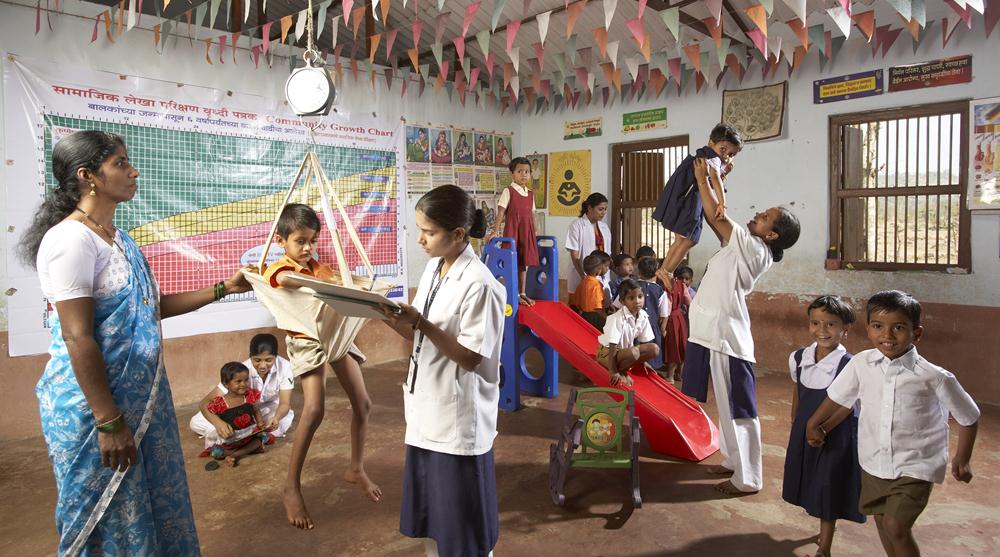
Our clinical hosts are healthcare facilities such as hospitals, clinics, and healthcare units that provide hands-on clinical experience to students
ELECTIVE ORGANISATION HOSTS

Our elective organisations hosts include NGOs, public health programs, and other organisations that offer elective opportunities focused on healthcare delivery, community health, and public health initiatives.
MEDICAL SCHOOL HOSTS

Our medical school hosts include medical schools and academic institutions that offer structured electives with academic oversight, such as clinical teaching, research opportunities, or academic-based project
GENERAL HOSPITAL AND COMMUNITY HOSTS
What Clinical Hosts Offer:
- Hands-on medical practice in real clinical environments.
- Supervision by experienced healthcare professionals.
- Exposure to local healthcare challenges and how they are addressed.
Benefits for Clinical Hosts:
- Support from FTE: Administrative help plus guidance in hosting and managing students, from preparation to post-placement
- Enhanced Medical Practice: Collaboration with international students brings new perspectives and knowledge exchange.
- Student Fundraising: Elective students are helped to fundraise to directly support your local priorities
Elective Organisation Hosts
What Elective Organisations Offer:
- Variable, often smaller clinical sites but also:
- Placements that focus on healthcare delivery beyond the hospital setting, such as public health campaigns, health education, and community-based health services.
- A focus on population health, preventive medicine, and health education.
- Variable, often smaller clinical sites but also:
Benefits for Elective Organisation Hosts:
- Cultural and Knowledge Exchange: Gain insights from medical students trained in different healthcare systems.
- Student Fundraising: Elective students often engage in fundraising to directly support community health initiatives.
- Capacity Building: The presence of well-prepared students helps strengthen healthcare services and community health outcomes
Medical School Hosts
What Medical School Hosts Offer:
- Academic Supervision: Involvement in teaching, clinical practice, or healthcare research.
- Research Opportunities: Allowing students to participate in public health or clinical research projects that contribute to local or global medical knowledge.
- Structured Clinical Electives: Balancing clinical practice with academic oversight.
Benefits for Medical Hosts:
- Cultural and Knowledge Exchange: Insights shared between medical students trained in different healthcare systems.
- Contribution to Research: Collaborating with international students and institutions on research initiatives.
- Strengthened Educational Capacity: The opportunity to build stronger clinical and academic programs by working with students eager to contribute.
- Direct Financial Support: Funds raised by students can directly benefit the host medical school or teaching hospital.
USE OF FUNDS RAISED
At Fair Trade Electives, we believe in creating a direct and meaningful impact through the funds raised by students. Host organisations have the autonomy to decide how these funds are best utilised, ensuring they directly benefit the communities and healthcare facilities where the elective takes place.
Empowering Host Organisations
Each host organisation can designate how the funds raised by students will be allocated.
Typically, these funds may be used for:
- Purchasing essential medical supplies and equipment.
- Improving healthcare facilities and infrastructure.
- Supporting local healthcare staff training and development programs.
- Expanding community health initiatives, such as vaccination drives, health education, and preventive care programs.
- Enhancing patient care services in underserved or rural areas.
Transparency and Accountability
Hosts are encouraged to share how the funds are used, providing students and supporters with feedback on the tangible difference their fundraising efforts have made. This not only ensures transparency but also fosters a deeper connection between students and the host communities.
By allowing hosts to manage and direct these resources, we empower local healthcare systems and communities to grow sustainably and build capacity, contributing to long-term improvements in global health outcome
