Climate and Health Connect, Mama Lucy Kibaki Hospital, Nairobi

Locations
Nairobi, Kenya
Elective Options
Usual Capacity
10 Spaces
Cost & Dates
4 weeks 1200 USD inclusive of accommodation and breakfast
Fee for additional weeks – 300$ per week
Electives available year round
Subject Areas
General Medicine
Surgery
Peadiatrics
Obs/gyn
-
Overview
-
Academic Overview
-
Elective Format
-
Subject Areas
-
Accommodation
-
Local Area / Map
-
Cost & Dates
-
Media
-
FAQ
Climate and Health Connect (CHC) is a Kenyan-based NGO founded by Dr Hamdi Mohamed Farah, a medical doctor from a climate-affected region. The organisation bridges the link between climate change and health, with a focus on mental health and climate-resilience. CHC educates communities on the health impacts of climate change and supports early warning systems to strengthen local preparedness.
CHC and FTE have partnered to offer medical electives for final-year UK students in Nairobi and Diani on the coast. Our placements offer hands-on experience, cultural exchange, and involvement in community and climate activities such as tree planting and public health outreach, promoting both learning and social impact.
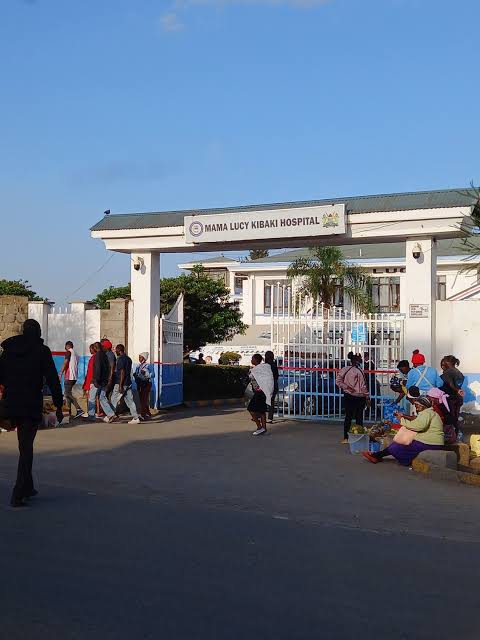
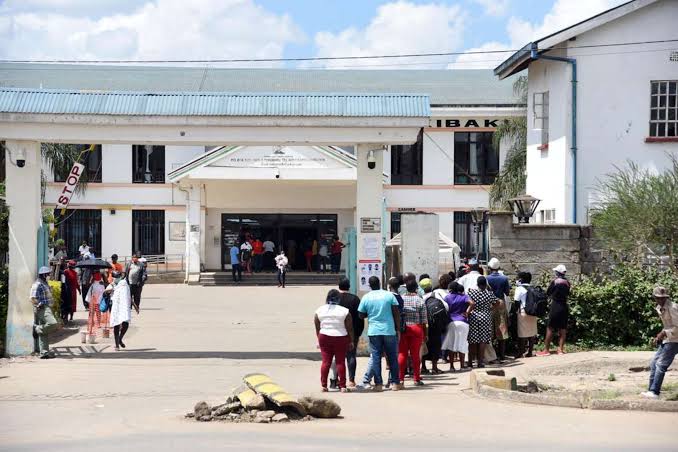
CHC offers electives with Mama Lucy Kibaki Hospital, a Level 5B facility in Nairobi plus Kinondo Kwetu (a 50 bed rural general hospital) and Kwale Eye Centre (sub-speciality training centre), both near Diani, south of Mombasa.
Elective-Suitability Rubric
To help you compare sites and make informed choices we offer this summary assessment of the sites we offer. This reflects the academic lead’s analysis in the light of site visits and the feedback available to us, but please note that staff turn-over can be high and things can change rapidly in small centres. The following is therefore for guidance only.
| Dimension | Description |
| · Comfort vs Challenge | Getting to and about Nairobi is generally easy. E.g. Kenya has Uber.
Airport pick up, accommodation and if needed daily hospital daily transfer will be organised by Climate and Health Connect staff who can advise and assist you during your stay. Accommodation is of a high standard (shared/single options), self-catering (but with an onsite restaurant) in a vibrant international student hostel. The climate is pleasant due to the altitude. |
| · Safety vs Adventure | Nairobi is a large bustling African city with associated risks of crime and traffic incidents so reasonable caution is prudent. There is a history of political violence, particularly around election time which is something you might want to avoid, though typically rural areas are affected less. |
| · Sociability vs Isolation | Accommodation in an international student hostel provides a wonderfully vibrant and social atmosphere.
You will meet Kenyan medical students on placement but an urban DGH probably not have the same ‘community’ feel as a smaller rural site. |
| · Hands-on vs Observational | There will be opportunities to become involved in patient care but a ‘buddy student’ may still improve things (e.g. language) and, as ever, this is enhanced by more prolonged engagement with one clinical team. |
| · Engagement opportunities | CHC will be delighted to discuss opportunities for joining their activities and is exploring ways to organise local ‘health camp outreach’ around visiting students. |
| · Costs and value | A very good value placement that offers immersive clinical and community experiences in a vibrant city with excellent surrounding activities and transport links. |
| · Travel / tourism | Travel to and around Kenya is straight forward and relatively cheap. There are ample accessible tourist options in Kenya and beyond. |
| · Career relevance | Nil specific unless considering ophthalmology in Kwale. |
| · Academic opportunities | Healthcare Improvement projects may be feasible. |
Additional Comments and Tips specific to this host
CHC manage placement in Nairobi and at the coast in Diani. You may wish to explore a period at each of these contrasting sites.
Currently there is no separate FTE Elective Guide.
Electives at Mama Lucy Kibaki Hospital are coordinated through our partners at Climate & Health Connect (CHC) and follow a structured but flexible format based on your chosen clinical area. Students are placed in one of the main departments — Medicine, Surgery, Obstetrics & Gynaecology, or Paediatrics — with the option to rotate where appropriate and agreed locally.
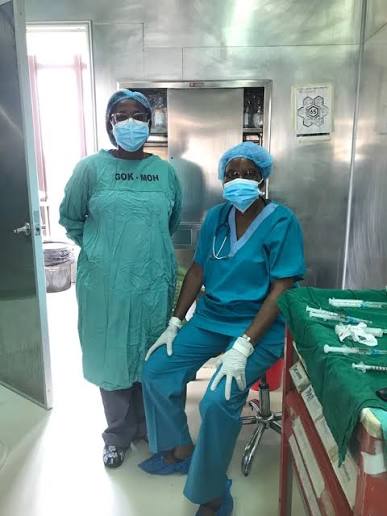
Most students take part in ward rounds, outpatient clinics, and day-to-day ward activities, observing how care is delivered within a large, busy urban hospital. There are opportunities to observe in theatre and engage with case discussions, depending on department schedules and your level of training.
Electives typically run Monday to Friday, with hours arranged on arrival in discussion with your supervising clinician. The emphasis is on learning from the local teams, understanding clinical decision-making in the Nairobi context, and gaining insight into how climate and public health pressures influence patient care.
Mama Lucy Kibaki Hospital offers learning opportunities across its four main clinical departments. Students can choose to focus on Medicine, Surgery, Obstetrics & Gynaecology, or Paediatrics, depending on their interests and training stage.
Each department provides exposure to ward work, outpatient clinics and case discussions, with opportunities to observe procedures where appropriate. Placements are designed to help you deepen your clinical understanding in a busy urban Kenyan setting while learning from experienced local teams.
Students completing their elective at Mama Lucy Kibaki Hospital stay at Homescope, a modern student-friendly hostel arranged through our partners at Climate & Health Connect (CHC). CHC provides an airport-to-airport service, meeting you on arrival in Nairobi and supporting you until your departure.
Homescope offers a welcoming communal environment with facilities designed for longer stays, including WiFi, on-site dining options, a gym, laundry services, and shared social spaces. Breakfast is provided each morning, and students typically stay in shared rooms with others on placement.
The accommodation has good security and is well connected for travel to the hospital and around the city. The CHC team offers orientation on arrival and provides guidance on local transport, food options, and daily living in Nairobi.
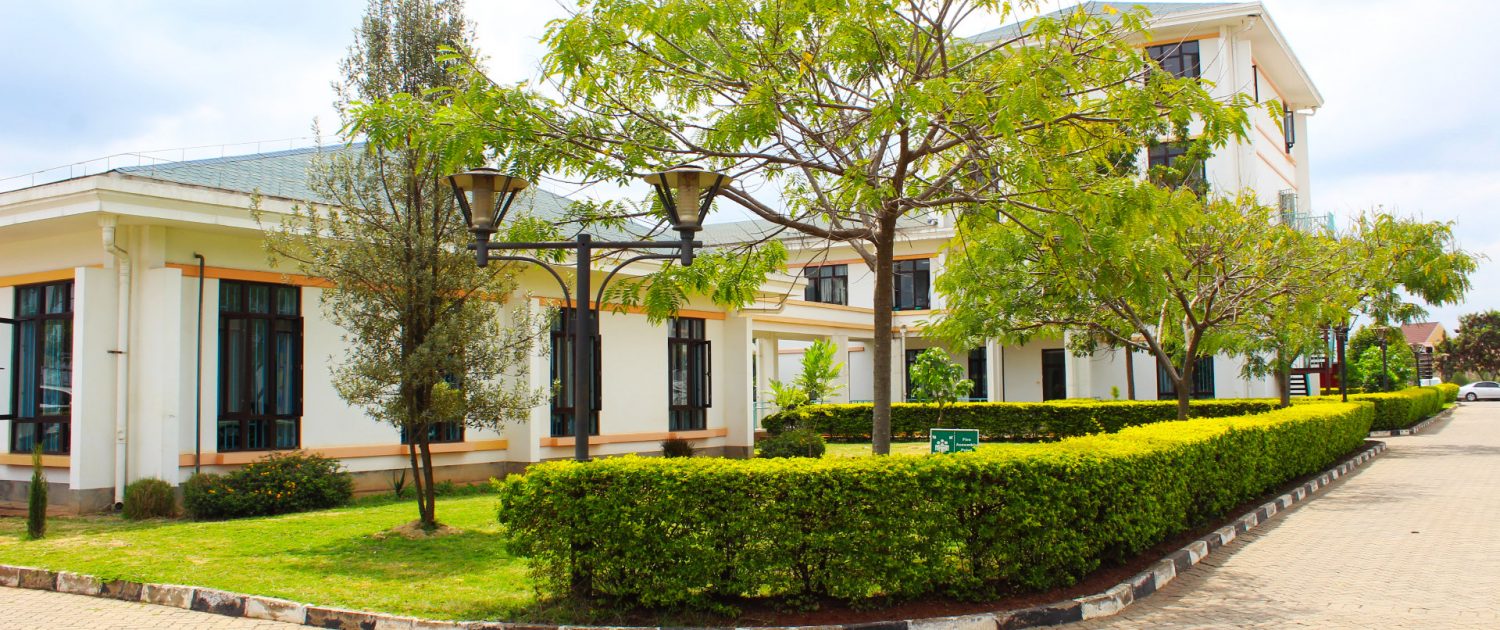
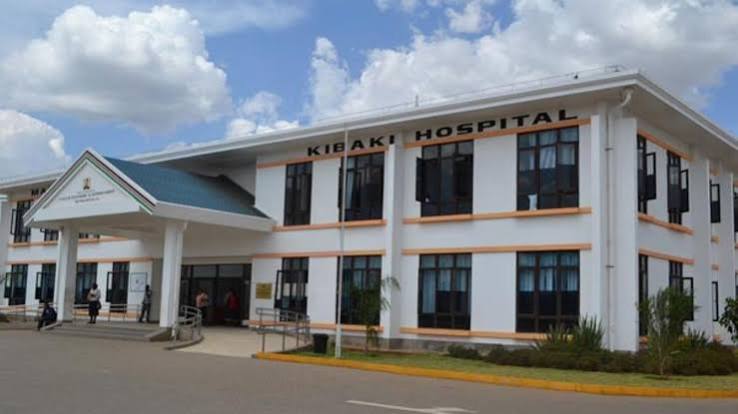
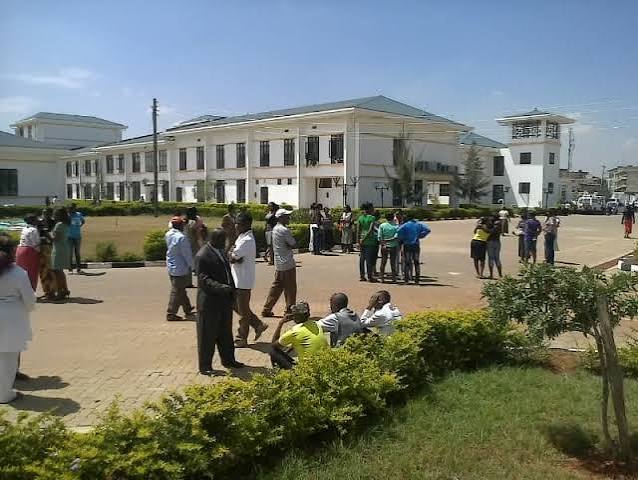
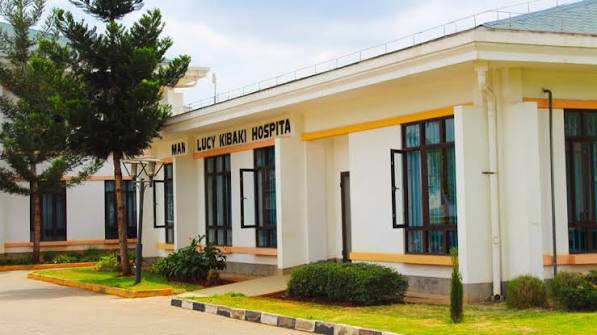
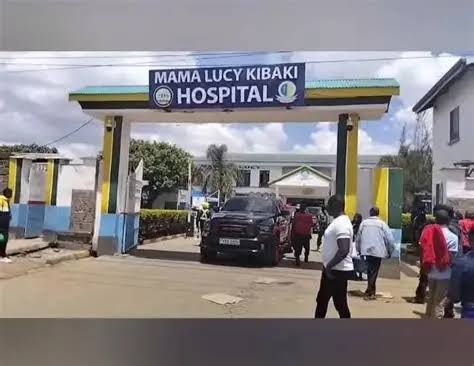
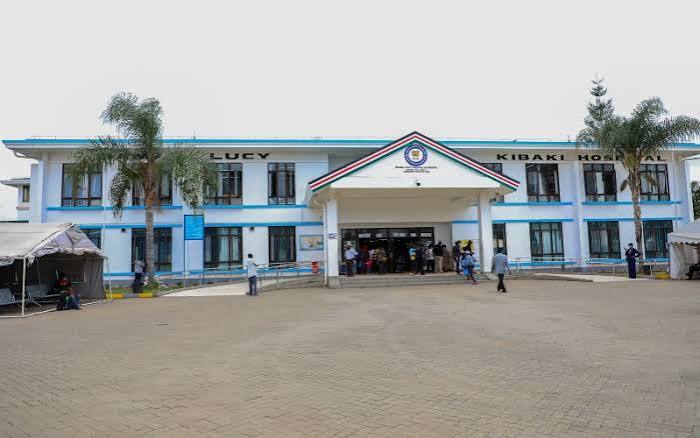
Mama Lucy Kibaki Hospital is located in Nairobi, Kenya’s capital city and a major hub for health, culture and education in East Africa. The hospital sits in a busy urban neighbourhood where students can experience the day-to-day rhythms of city life while being well connected to the wider area.
From your base at Homescope, you’ll have access to local cafés, shops and transport links that make it easy to navigate the city. Nairobi is known for its vibrant arts scene, diverse food culture and green spaces, with places like the Nairobi Arboretum and Karura Forest offering quiet areas to walk or run.
As part of your stay, you will also have the opportunity to join CHC’s community-led tree-planting initiative, which forms part of their wider climate and health programme. This is an optional activity designed to connect students with local environmental efforts and deepen understanding of the links between climate, public health and community resilience.
| Item | Details |
|---|---|
| 4-week placement | $1,200 total ($300/week) |
| Extra weeks | $300/week |
| Single room (optional) | $5/night |
| Availability | Year-round |
Included: Accommodation at Homescope, breakfast, daily hospital transport, airport pickup and drop-off, SIM support, local registration and hospital fees, CHC in-country support.
Not included: Flights, visa, insurance, vaccines, DBS/reference checks, meals beyond breakfast, weekend activities or trips.

How long can I stay at Mama Lucy?
Placements are available year-round. The minimum stay is 4 weeks, with the option to add extra weeks depending on department availability.
Which departments can I work in?
Students can be placed in Medicine, Surgery, Obstetrics & Gynaecology, or Paediatrics. Rotations may be possible and are agreed locally with your supervising clinician.
What are the accommodation arrangements?
Students stay at Homescope, a modern and secure hostel arranged through CHC. Rooms are shared unless a single room is requested. Breakfast is provided daily.
Is transport to the hospital included?
Yes. Daily transport between your accommodation and Mama Lucy is included and arranged by CHC.
Will someone meet me at the airport?
Yes. CHC provides an airport-to-airport service. You will be met on arrival and supported until your return departure.
Do I need a visa?
Yes. Kenya requires most international visitors to obtain a visa or entry permit. Guidance is provided once your placement is confirmed, but students are responsible for arranging their own visa.
What vaccinations or health precautions do I need?
Students should consult a travel health professional for personalised advice. Vaccinations, malaria prophylaxis, and other health preparations are the responsibility of the student.
Is the area safe for students?
Students stay in secure accommodation and use recommended transport options. CHC provides an orientation on arrival covering local safety guidance, daily routines, and navigating Nairobi.
What is the typical schedule?
Most students attend Monday–Friday. Your hours and activities are agreed with your supervising clinician on arrival, based on department routines and your learning goals.
Can I join community activities?
Yes. Students can take part in CHC’s community-led tree-planting initiative, which links climate and health learning with local environmental action. Participation is optional.
Do I need insurance?
Yes. All students must have comprehensive travel, medical, and professional indemnity insurance covering clinical placements abroad.
When will my placement be confirmed?
Once your application is received, we check availability with Mama Lucy and CHC. Most placements are confirmed within 7–10 days.
Can I come with a friend or partner?
Yes, although room allocations depend on availability and local policies. We do our best to accommodate requests.
What does any fundraising go towards?
Fundraising supports Climate & Health Connect’s climate and health programmes, including tree planting, mental health initiatives, school climate clubs, or small improvements within Mama Lucy Kibaki Hospital (agreed with CHC and FTE). Projects are community-led and not a donation to individuals.
Are there any cultural or legal considerations I should be aware of?
Alcohol is not permitted in the accommodation. Students should wear hospital scrubs or a lab coat while on placement and dress casually in the evenings. Kenya criminalises LGBTQ+ identities; all students should be aware of this context and take appropriate precautions.