Bwindi Community Hospital, Uganda
Locations
Buhoma, Uganda
Elective Options
Usual Capacity
6
Cost & Dates
$300 for 4 weeks
$100 per additional week
Single occ $30 pppn
Shared Occ $25 pppn
Subject Areas
Medicine
Surgery
Obstetrics & Gynaecology
Paediatrics
Orthopeadics
Community clinics by arrangement
-
Overview
-
Academic Overview
-
Elective Format
-
Subject Areas
-
Accommodation
-
Local Area / Map
-
Cost & Dates
-
Media
-
FAQ
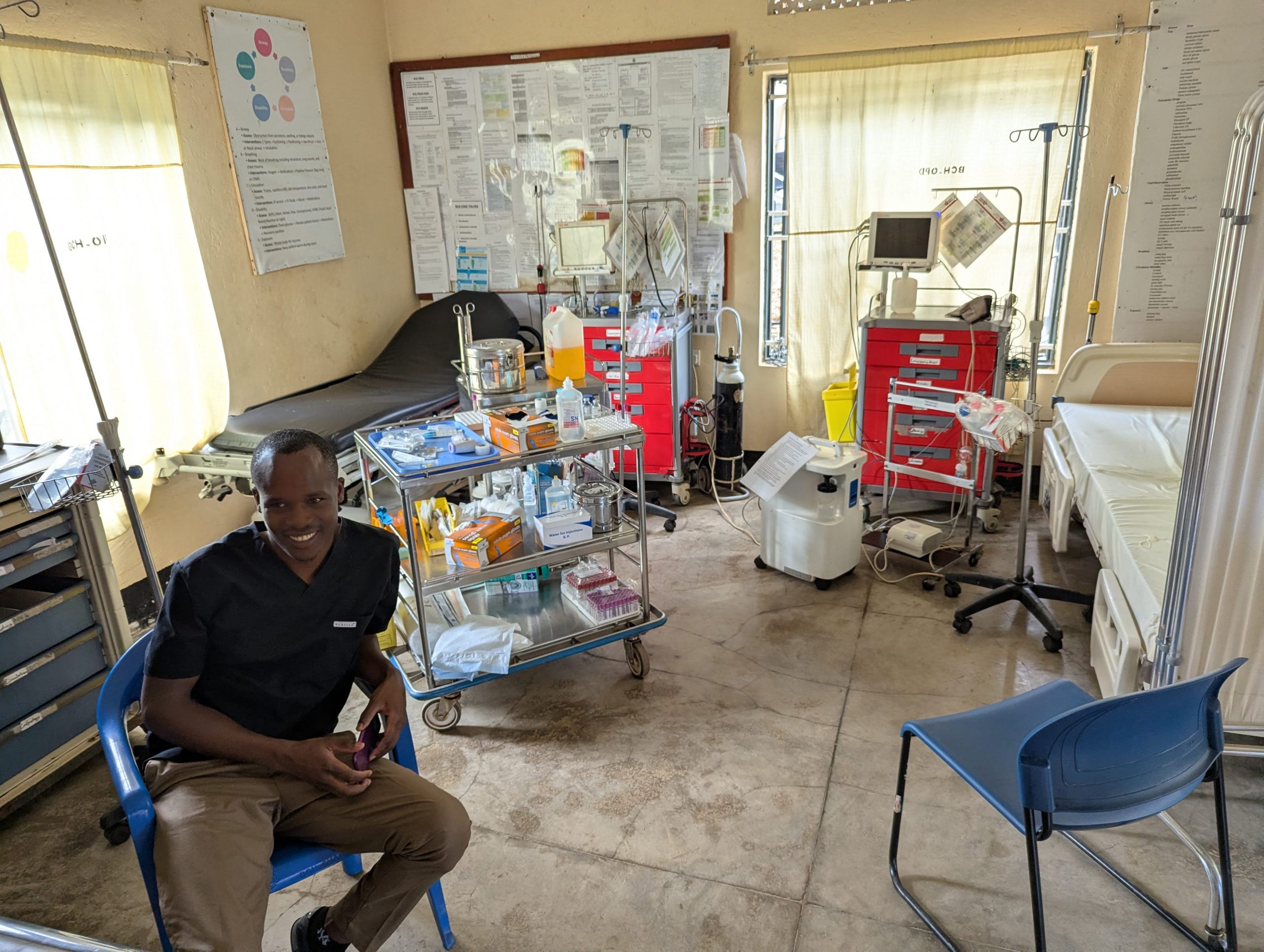
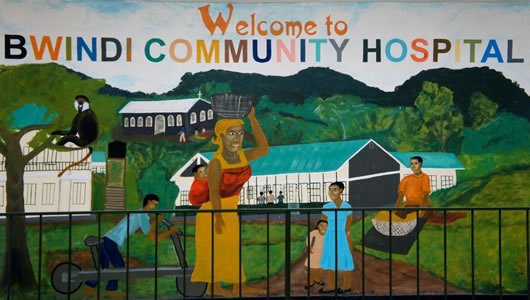
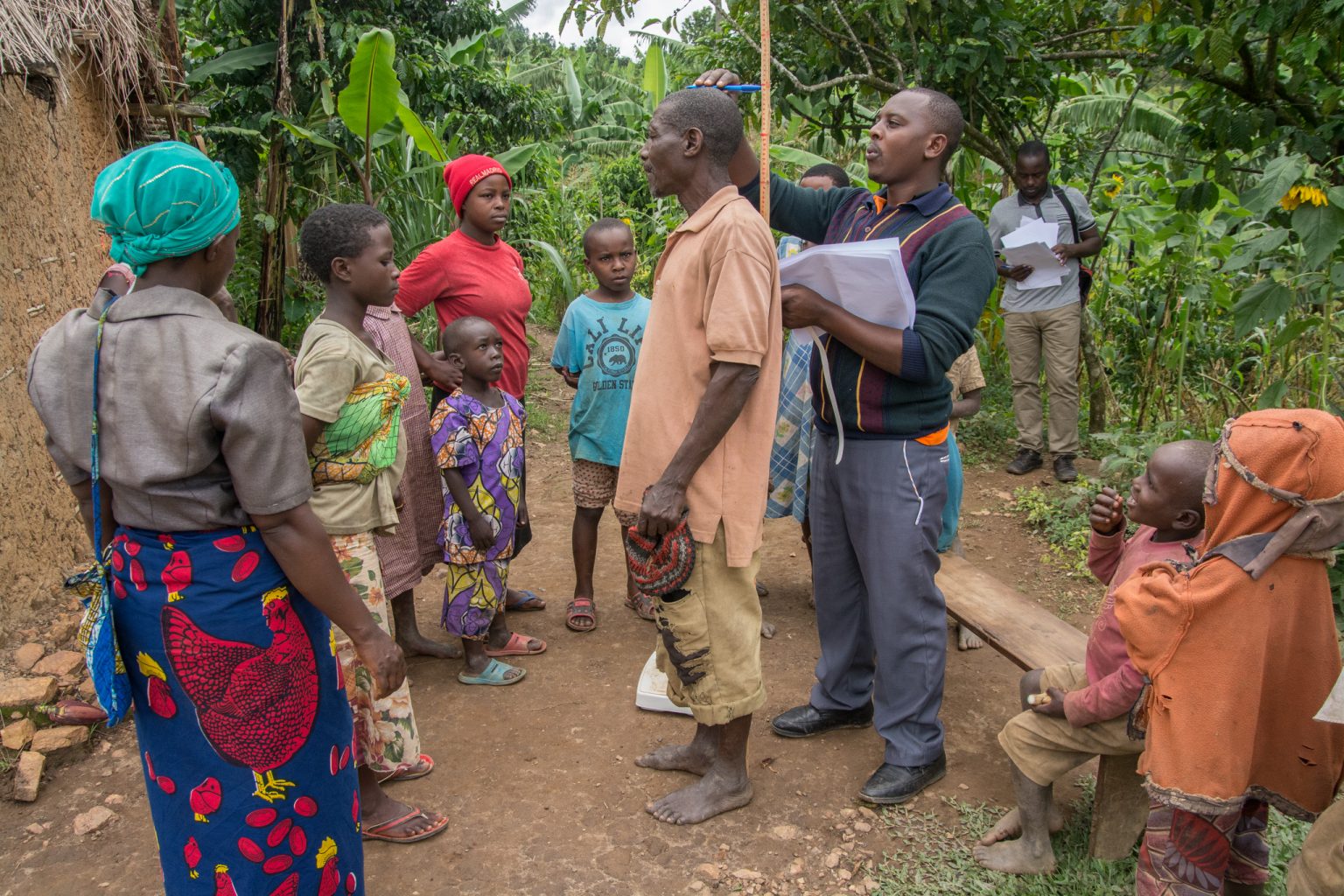
Bwindi Community Hospital (BCH) is rural 155 bed not for profit facility in southwestern Uganda founded in 2003 by Dr. Scott Kellermann. Working with the Diocese of Kinkiizi, his aim was to serve the underprivileged population of Batwa pygmies, the original forest dwellers of Bwindi Impenetrable Forest.
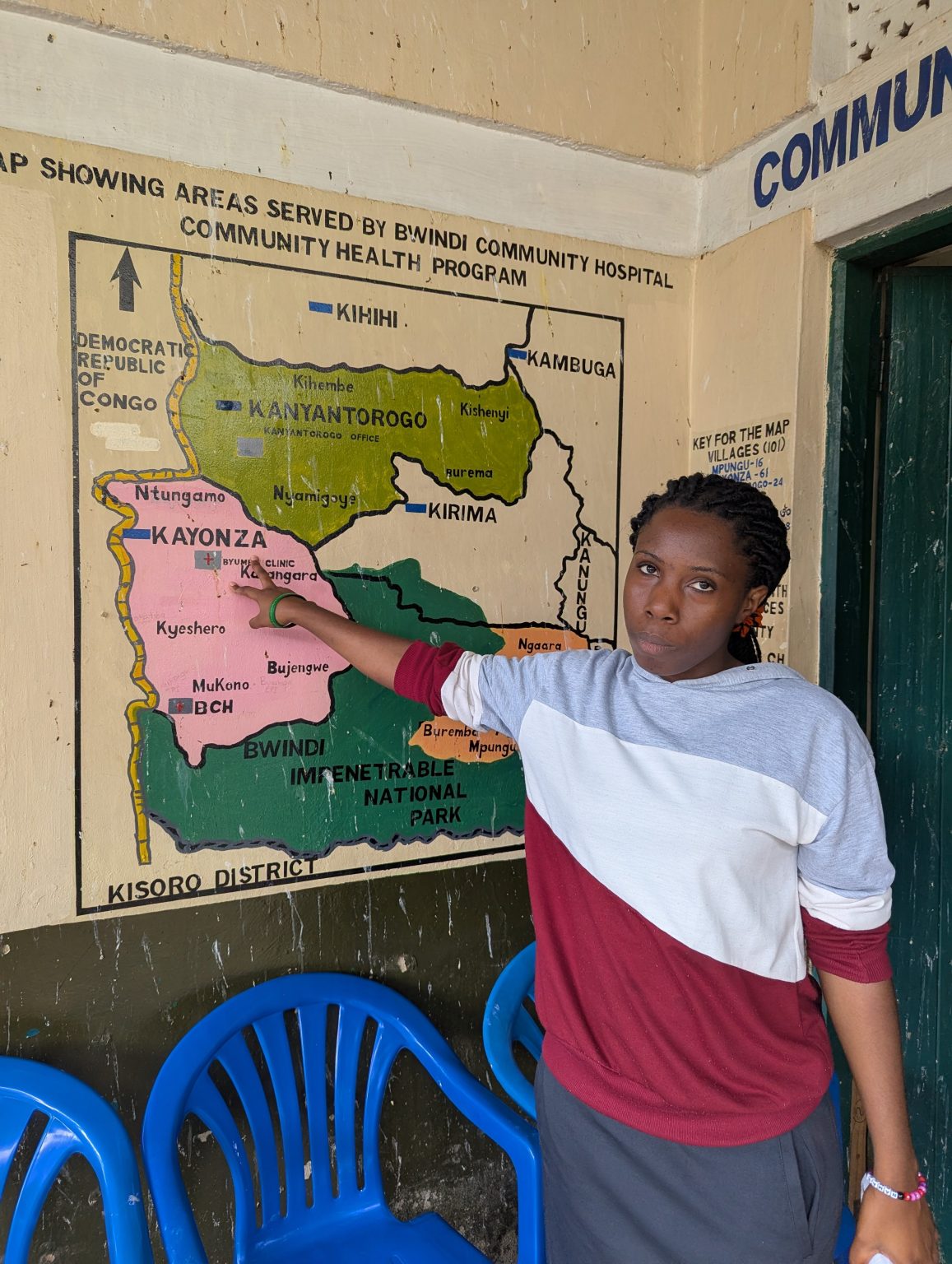
From open-air clinics under trees, the hospital has grown into a full-service institution, serving over 120,000 people in its immediate catchment area and many more from across the country who come for specialist services. The hospital has a vision of attaining a healthy and productive community, free from preventable diseases and with excellent health services accessible to all.
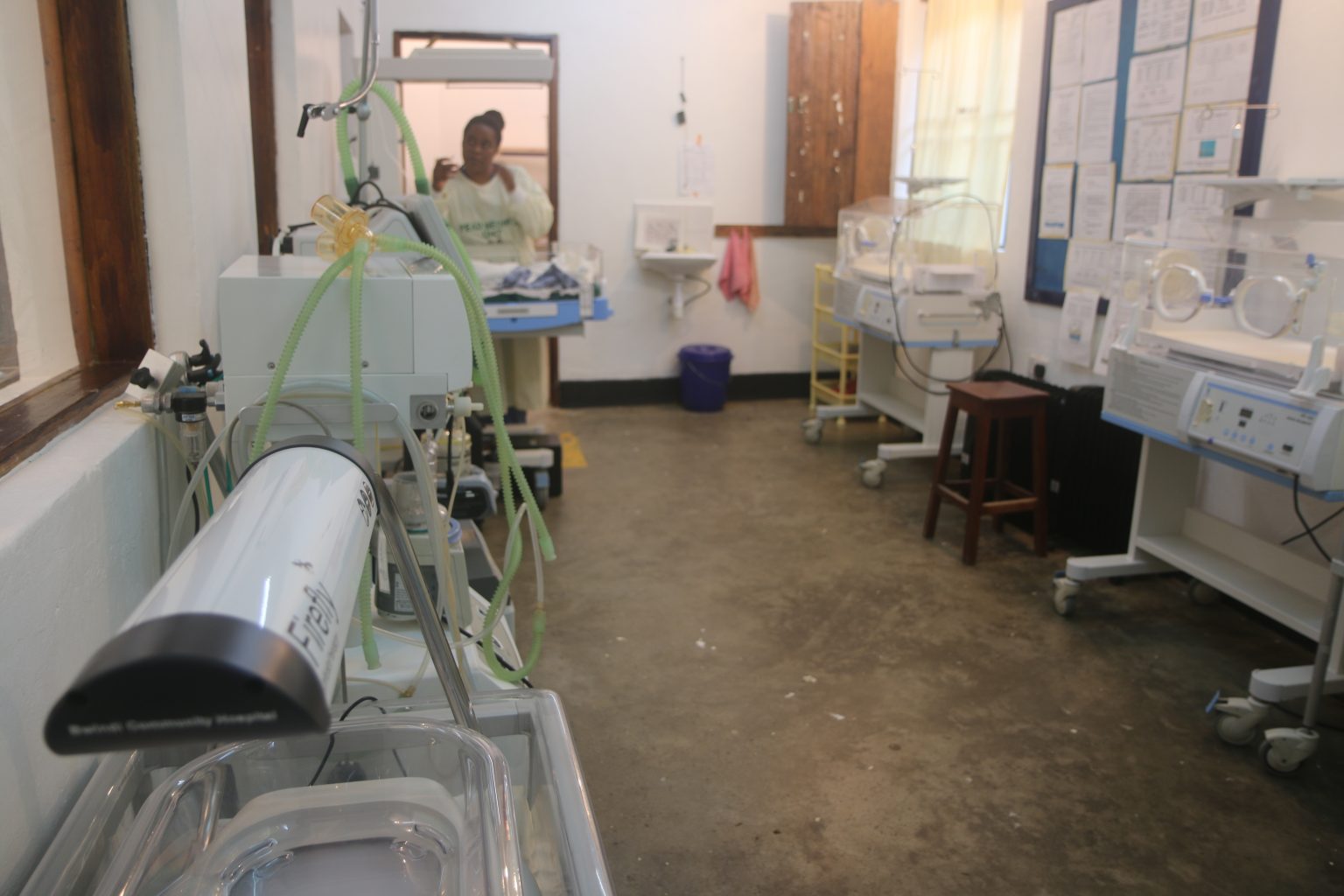
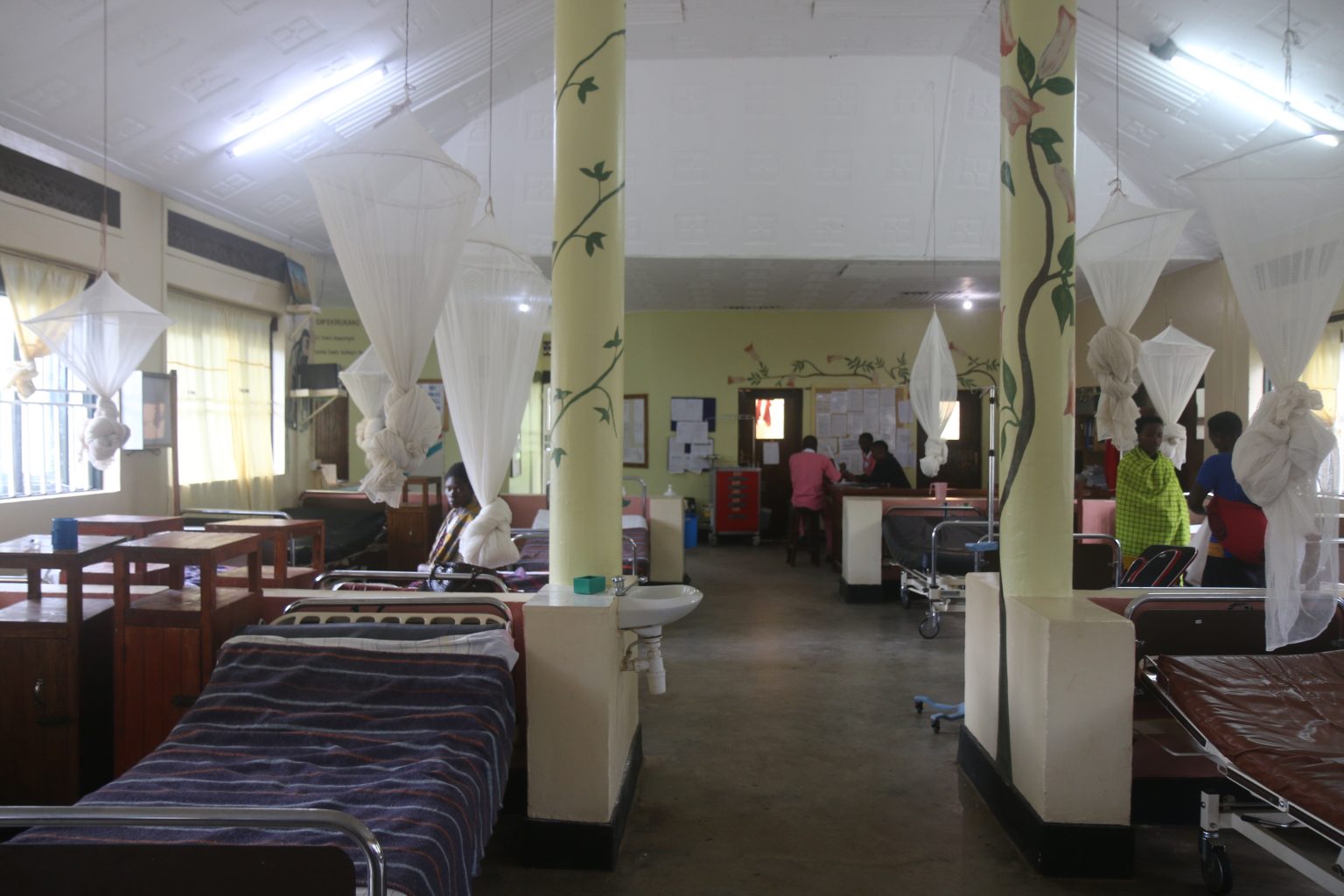
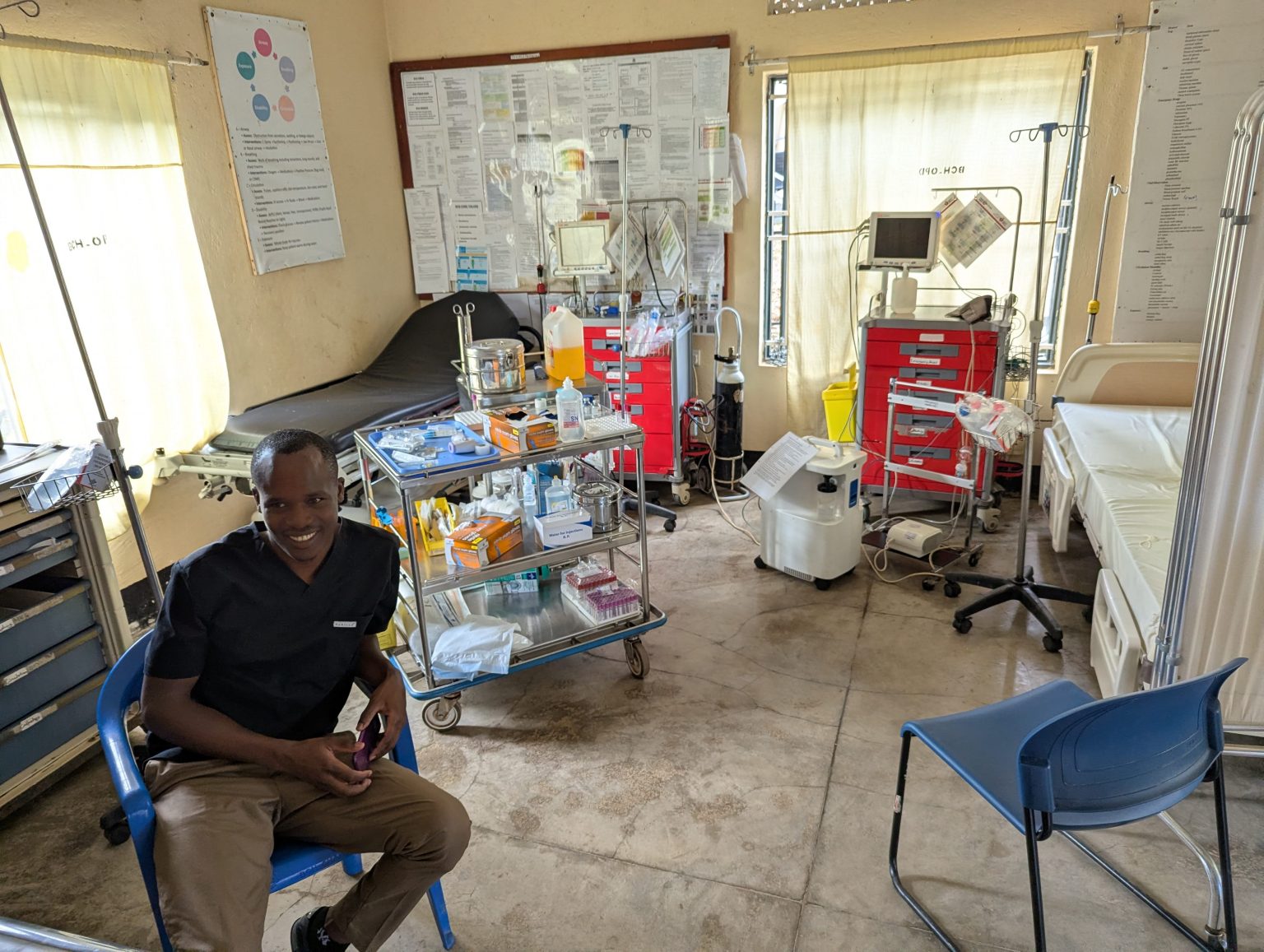
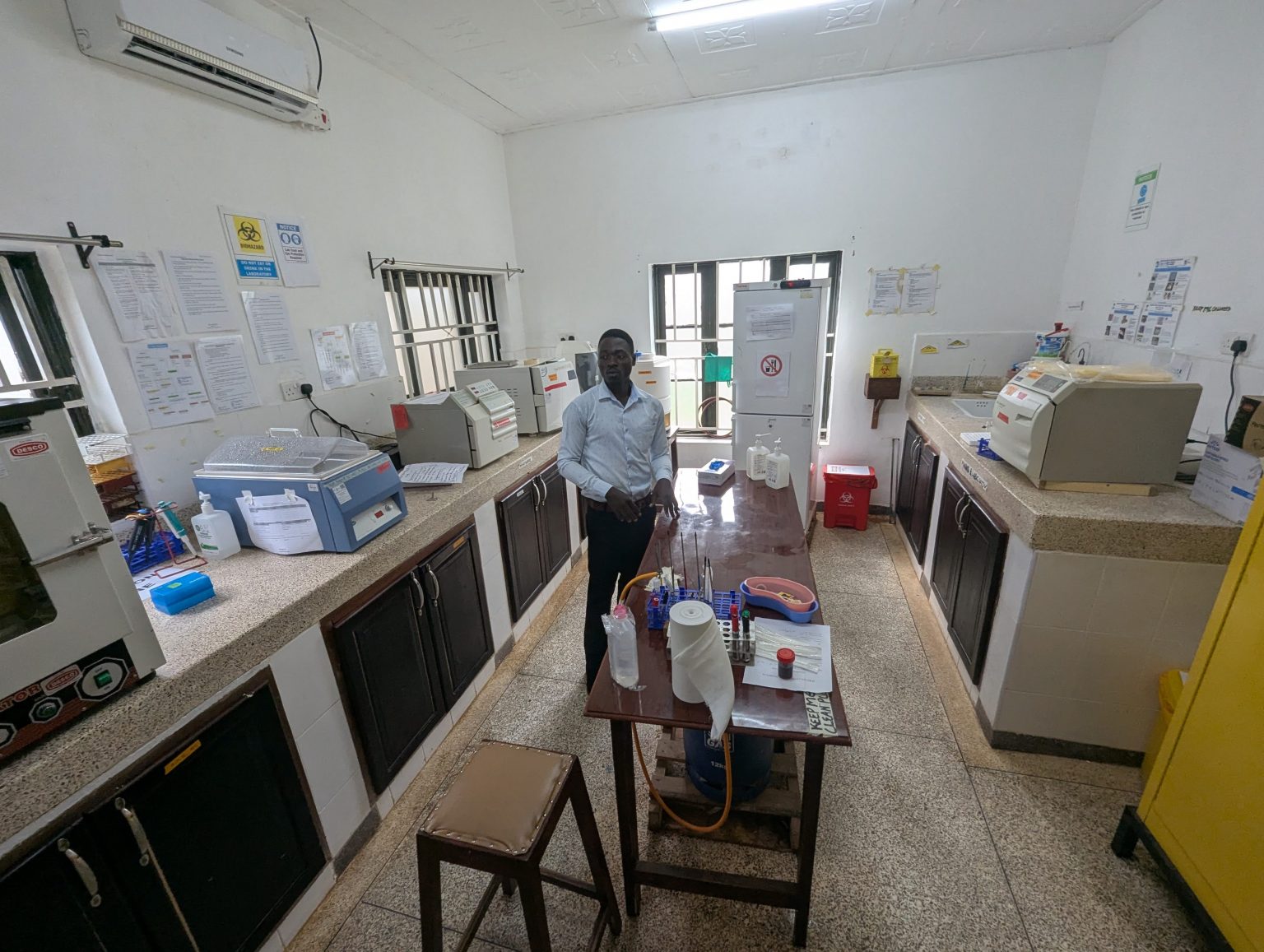
BCH has 155 beds and handles about 40,000 outpatient consultations annually providing a wide range of high-quality services, including ccommunity health, youth and Batwa focused services. We also train the next generation of healthcare professionals at Uganda Nursing School Bwindi and Uganda College of Health Sciences Bwindi.
For ten years in a row, BCH has consistently ranked among the best-performing health facilities in Uganda.
Elective-Suitability Rubric
To help you compare sites and make informed choices we offer this summary assessment of the sites we offer. This reflects the academic lead’s analysis in the light of site visits and the feedback available to us, but please note that staff turn-over can be high and things can change rapidly in small centres. The following is therefore for guidance only.
| Dimension | Description |
| Comfort vs Challenge | This site is somewhat challenging (or expensive) to get to, but is then likely to be a very comfortable placement.
The Climate is generally temperate due to altitude and wet as a rain forest (can be cool rather than hot!). Accommodation is on-site, high standard (shared/single options), fully catered with a good menu aimed at global visitors. |
| Safety vs Adventure | On site safety high.
Normal precautions required elsewhere. Road conditions locally are poor (so adventurous but slow), across Uganda they can have heavy traffic and have high accident rates. There are many opportunities for travel, including for the adventurous via bus to Ugandan, Rwandan and even Tanzanian destinations. |
| Sociability vs Isolation | You are based on a closed hospital campus with an associated college. It is a vibrant Christian community in which you would be welcome and there are site sporting activities you can join.
Western visitors are frequent and welcome and solo female students will feel safe on-site. |
| Hands-on vs Observational | There is opportunity to become very involved in patient care delivery. As ever, this is enhanced by more prolonged engagement with one clinical team. |
| Engagement opportunities | As a mission hospital there is opportunity (no sense of obligation) to join their religious community.
There are some hospital sporting activities. |
| Costs and value | Mid-range, good value for a highly unique, welcoming, safe and comfortable rural mission experience. |
| Travel / tourism | Game parks and Rwenzori mountains accessible (££) and Gorilla treks on the doorstep (££££ but mate’s rates at quiet times).
Extensive opportunities if willing to travel. E,g, the Nile in Jinja, Murchison Falls and even Tanzania is feasible. |
| Career relevance | A general placement |
| Academic opportunities | Healthcare Improvement projects feasible. Research maybe. |
Additional Comments and Tips specific to this host
Bwindi issues its own annual volunteer manual which you will receive after booking. Currently there is no FTE Elective Guide.
A typical day at Bwindi begins with a morning service, which students are welcome to join. Clinical activities vary by department and may include:
-
Ward rounds and follow-up care
-
Outpatient clinics
-
Operating theatre sessions
-
Community visits and outreach camps (where relevant)
Each major discipline has consultant-level leadership, and the hospital often hosts visiting fellows. Students remain under clinical supervision at all times.
Conservative dress is expected, and no alcohol or drugs are permitted on the BCH campus.
English is widely spoken and is the clinical language of the hospital.
BCH can host elective students in:
-
Medicine
-
Surgery
-
Obstetrics & Gynaecology
-
Paediatrics
-
Orthopaedics
Additional opportunities (non-specialty):
-
Community visits and outreach clinics
-
Quality improvement / health systems strengthening
-
Youth and Batwa-focused services (context-dependent)
Students are typically based with one team for the first month, with the option to rotate afterwards.
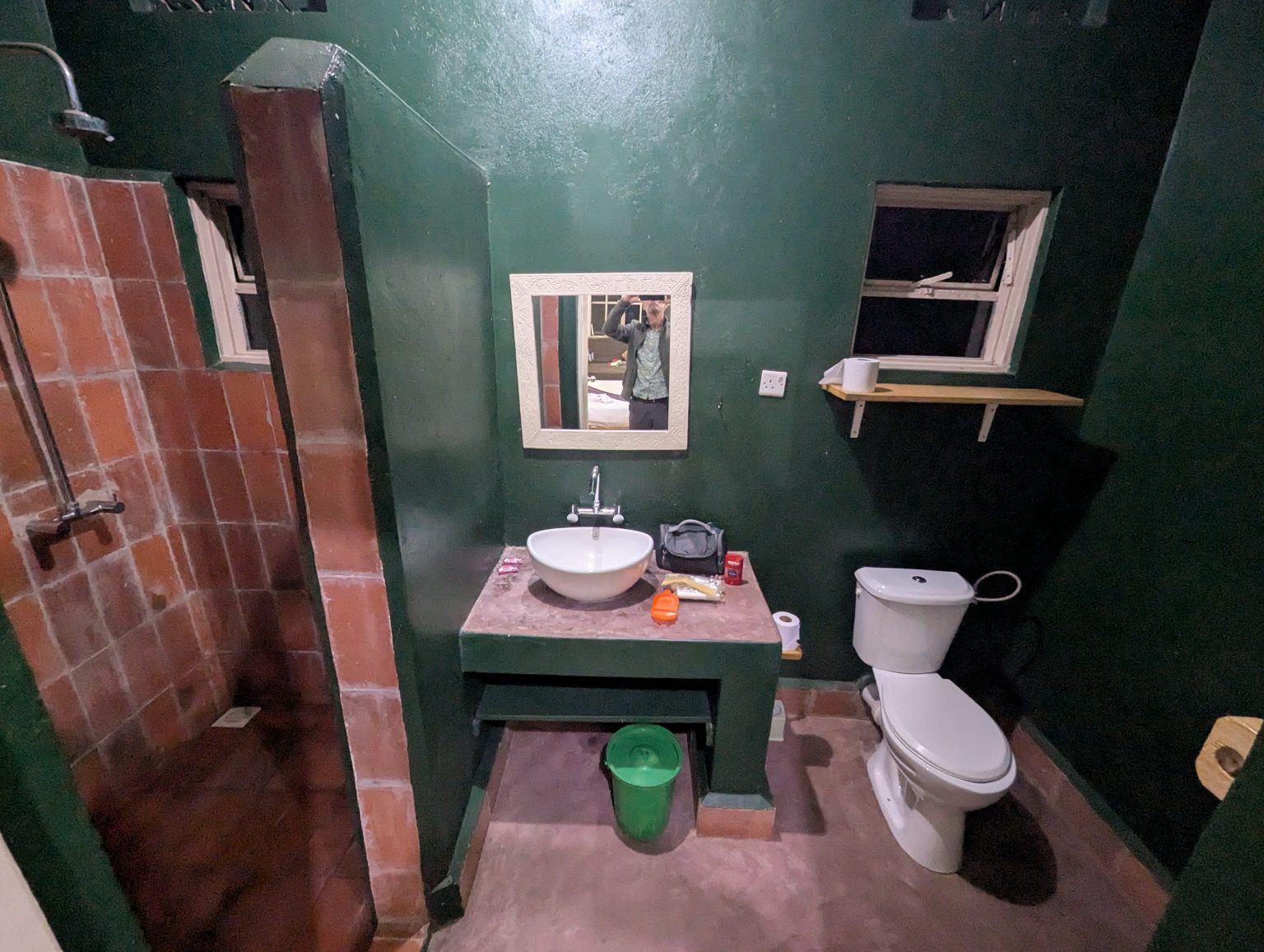
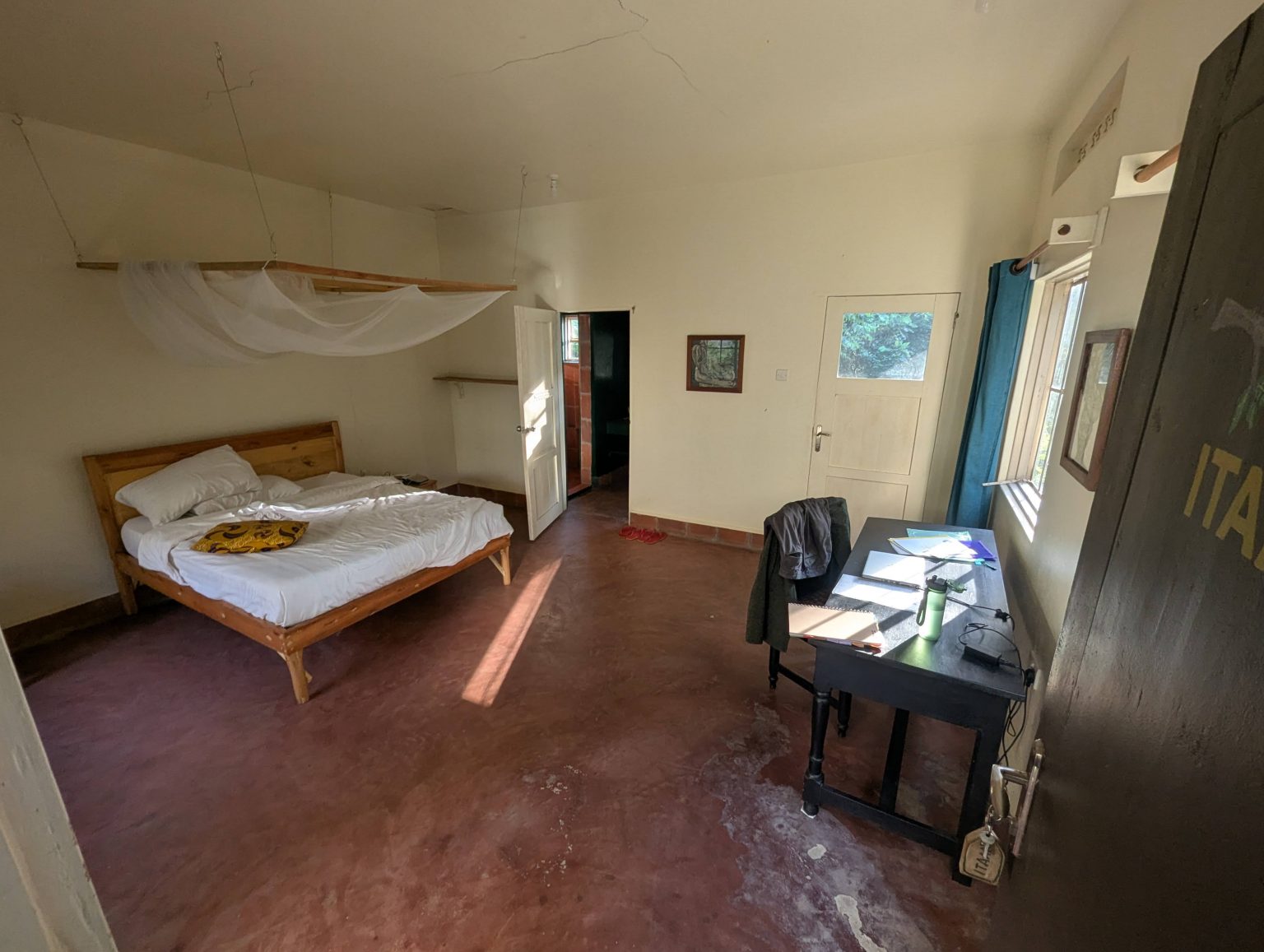
Students are housed in the BCH Guest House or nearby partner houses, which are:
-
fully catered
-
clean and secure
-
offering Western-oriented meal options
Pricing:
-
$30 USD per person per night (single)
-
$25 GBP per person per night (shared)
Accommodation includes basic amenities, and further details/photos can be see at https://bwindiguesthouse.com/
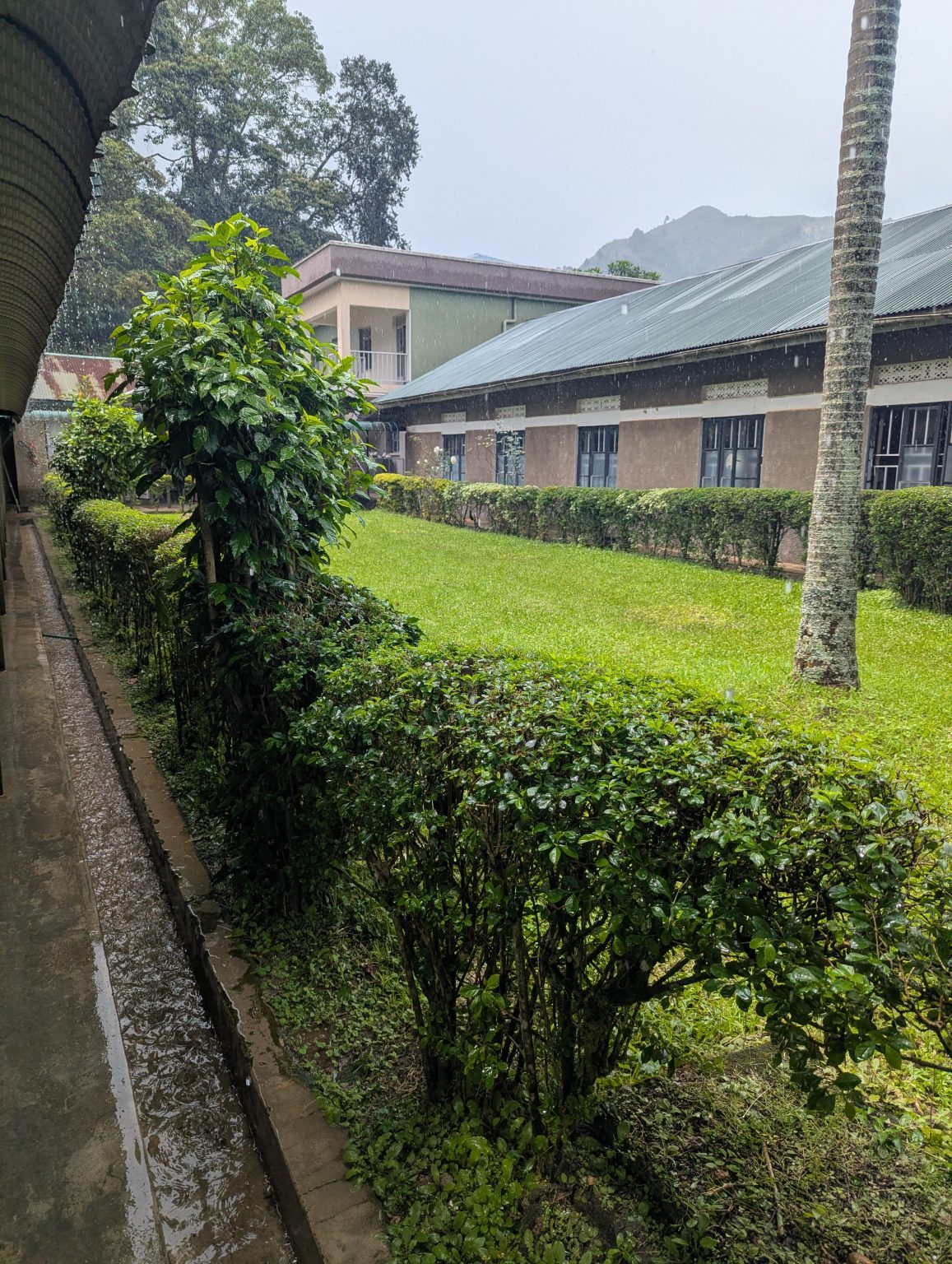
Bwindi Community Hospital is located in south-western Uganda near the edge of the Bwindi Impenetrable Forest, a UNESCO World Heritage Site known for its extraordinary biodiversity and mountain gorillas. The hospital sits in a peaceful rural community surrounded by forested hills, small villages and a welcoming local culture.
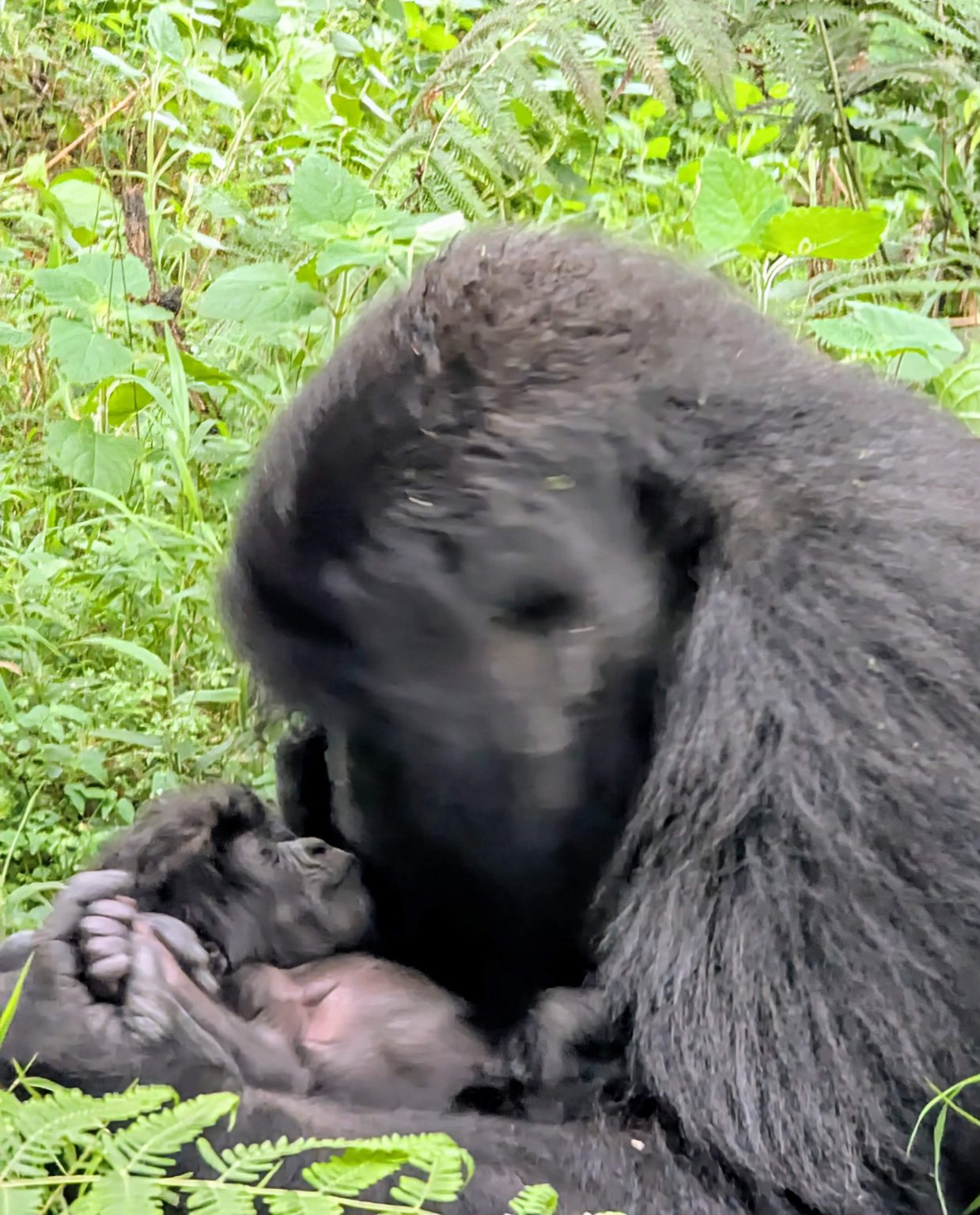
Students can enjoy nature walks, village visits, craft markets and community events, with occasional gorilla sightings noted in the surrounding forest. Popular weekend trips include Lake Bunyonyi, Queen Elizabeth National Park, and the Rwenzori Mountains.
Travel to Bwindi is part of the experience, and the hospital can assist with arrangements. Options include:
-
Flight from Entebbe → Kihihi Airstrip
Return fare approx. $540 USD, then taxi to BCH. -
Bus from Kampala → Kihihi
Perfect Coaches recommended (8–12 hours), then taxi to BCH. -
Private vehicle from Entebbe → Buhoma
Approx. $500 USD, 12 hours. -
Fly to Kigali (Rwanda) → Private vehicle to Buhoma
Approx. $400 USD, 8 hours. Requires Uganda tourist visa ($50).
| Item | Details |
|---|---|
| 4-week placement | $300 total |
| Additional weeks (5+) | $100/week |
| Accommodation | $30 pppn (single) / $25 pppn (shared) – fully catered |
| Availability | Year-round |
| Minimum stay | 4 weeks |
| Maximum stay | 12 weeks if HI project included |
Included:
Supervision, community visits (if relevant), orientation.
Not included:
Flights, visas, insurance, SIM/data, weekend travel.
FTE booking fee applies.
How many FTE students can Bwindi host?
Up to 6 FTE students at one time (total capacity 10).
What departments can I work in?
Medicine, Surgery, O&G, Paediatrics, Orthopaedics, community outreach and Quality Improvement projects.
Is Bwindi safe for students?
Yes. English is widely spoken, accommodation is secure, and students are welcomed into community life.
Are there rules I should be aware of?
Conservative dress is required. No alcohol or drugs are permitted on the BCH campus.
Do I need to join religious activities?
No. Students may join morning service or church activities if they wish, but participation is optional.
Is there an HIV exposure protocol?
Yes — BCH confirms it has an HIV exposure protocol and can reliably provide PEP locally.
Where do fundraising donations go?
As BCH is a not-for-profit hospital, charitable funds support hospital operations, salaries, medications and equipment.
How do I get to Bwindi?
Multiple routes are available via Entebbe, Kampala, Kihihi or Kigali (see local area).