Gahini Hospital
Locations
Rukara, Rwanda
Elective Options
Usual Capacity
6 Spaces
Cost & Dates
4 weeks £500 inclusive of accommodation
Fee for additional weeks £110
Multiple Dates
Early booking discounts available
Subject Areas
Paediatrics
Medicine
Surgery
Maternity
Trauma and Orthopaedic surgery
Healthcare Improvement Projects (by arrangement)
Nursing (by arrangement)
-
Overview
-
Academic Overview
-
Elective Format
-
Subject Areas
-
Accommodation
-
Local Area / Map
-
Cost & Dates
-
Media
-
FAQ
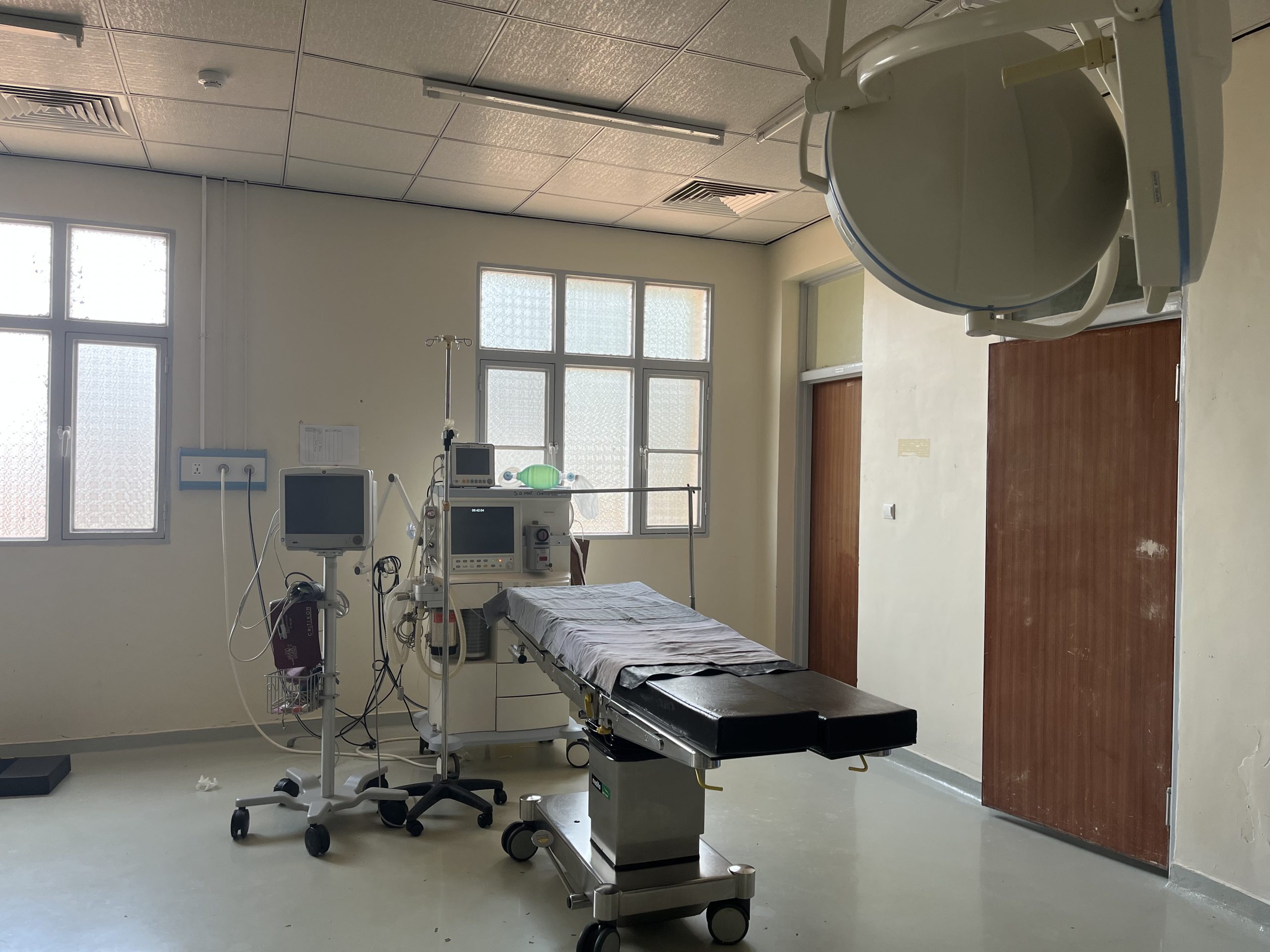
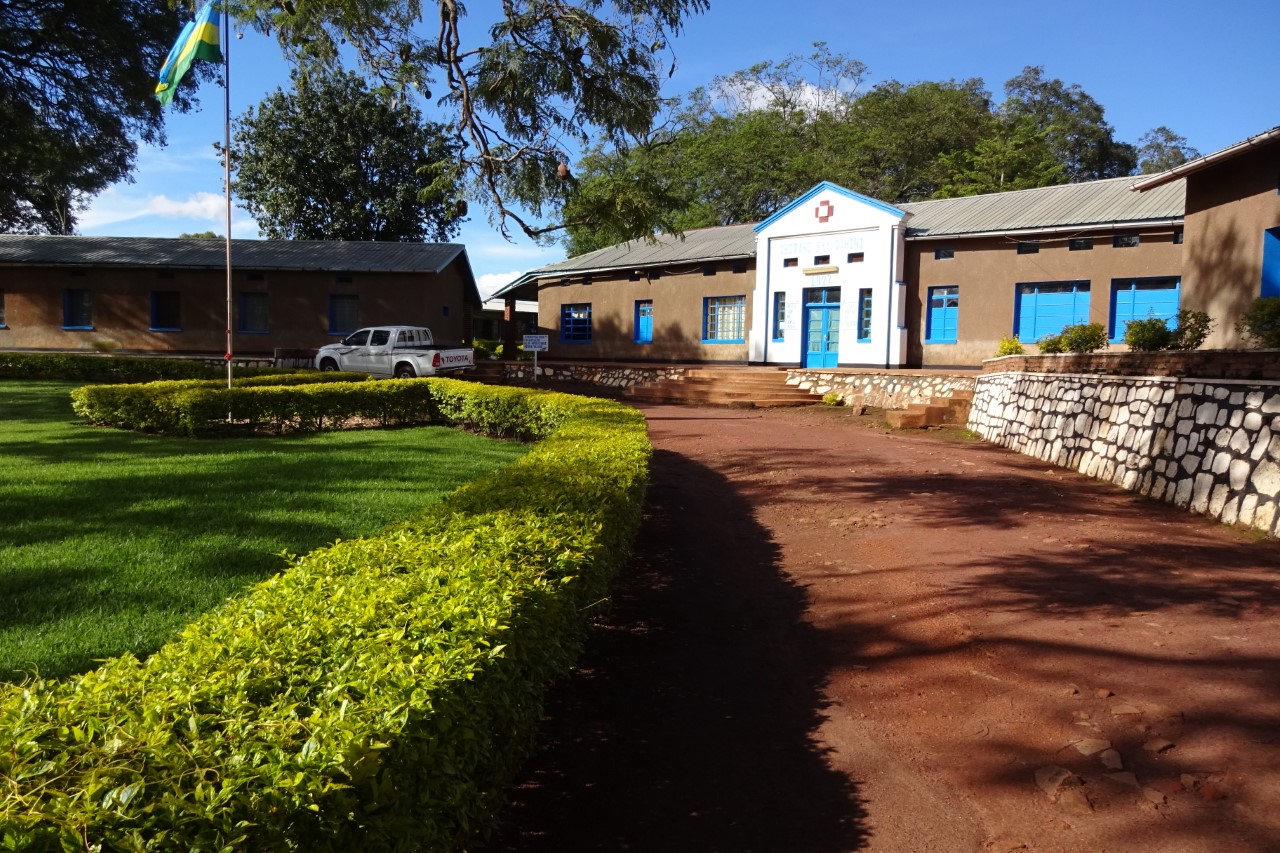
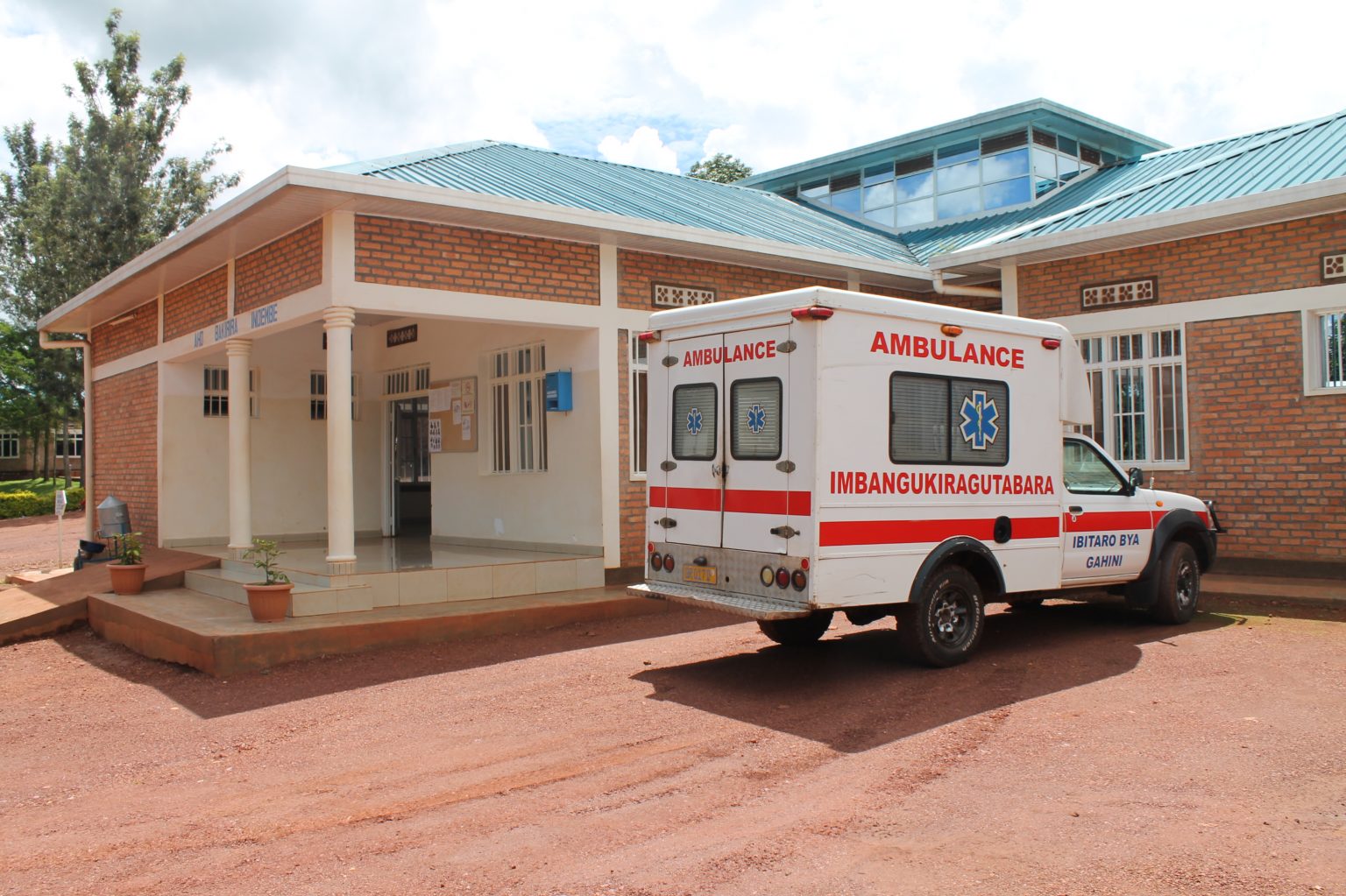
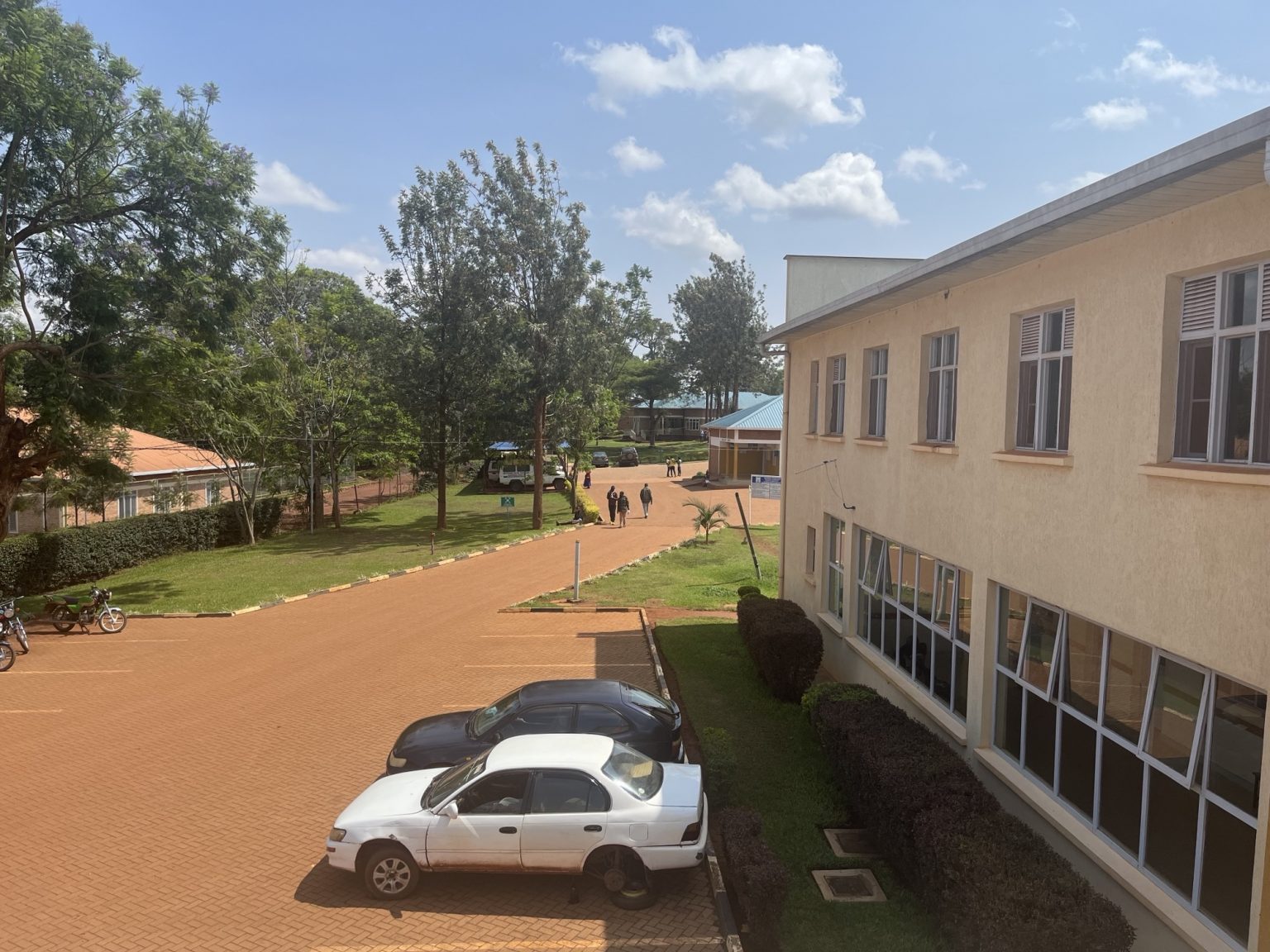
Gahini District Hospital is a long-established healthcare institution located in Urugarama village in Rwanda’s Eastern Province, around 90 km from Kigali. With 158 beds and a supportive laboratory and imaging service, it offers a wide range of district hospital specialties and serves as a regional referral centre for trauma and orthopaedic care. The hospital welcomes international students and has a strong track record of hosting electives through Dundee’s Responsible Elective programme, the forerunner to Fair Trade Electives.
Students joining the team at Gahini gain insight into clinical practice in a rural Rwandan setting, with opportunities to learn alongside dedicated clinicians across Medicine, Surgery, Paediatrics, Maternity and Orthopaedics. The hospital values knowledge exchange, mentoring, and the contribution students make to overall patient experience. Electives here offer a supportive and community-focused environment with opportunities to explore Rwanda’s wider cultural and natural landscape
Elective-Suitability Rubric
To help you compare sites and make informed choices we offer this summary assessment of the sites we offer. This reflects the academic lead’s analysis in the light of site visits and the feedback available to us, but please note that staff turn-over can be high and things can change rapidly in small centres. The following is therefore for guidance only.
| Dimension | Description |
| · Comfort vs Challenge | This is a moderately challenging placement
The Climate is generally comfortable (can be cool!), accommodation is on-site and shared, self-catering and with a history of water supply issues. Currently cold water only (being addressed) and students report typical ‘hassles’ around extending visa, shopping etc. |
| · Safety vs Adventure | On site safety reported as 5/5
Off site Rwanda has a relatively low crime rate, but some roads have heavy traffic and are therefore clearly dangerous. There are exceptional opportunities for travel, including for the adventurous via bus to Ugandan and Tanzanian destinations. |
| · Sociability vs Isolation | You are based on a closed hospital campus with a local town about 3KM away where you can shop at the market and there are some bars and hotels.
Hospital staff are welcoming but some female students report overly so at times. Being alone, especially solo females, may feel isolated. |
| · Hands-on vs Observational | There is opportunity to become very involved in patient care delivery. As ever, this is enhanced by more prolonged engagement with one clinical team. |
| · Engagement opportunities | As a mission hospital there is opportunity (no sense of obligation) to join their religious community.
There are some hospital sporting activities. |
| · Costs and value | One of the most competitively priced placements in Africa and few additional costs (no registration or initial visa charge in Rwanda) |
| · Travel / tourism | Extensive opportunities if willing to travel. Multiple game parks accessible (££), Gorilla treks (£££) and even access to the Nile in Jinja or Zanzibar is feasible. |
| · Career relevance | A career focused Trauma and Orthopaedics placement could be helpful in ST applications |
| · Academic opportunities | Healthcare Improvement projects feasible. Not research. |
Additional Comments and Tips specific to this host
There is an FTE Elective Guide that includes extensive guidance which is supplied after confirmation.
Electives at Gahini District Hospital follow a structured routine that gives students meaningful exposure to clinical practice while working closely with local teams. Each day begins at 07:30 with a short optional morning service followed by the hospital handover. Students then join their allocated department for morning ward rounds, with outpatient clinics typically operating from 07.30 to 17.00 across the hospital.
Depending on supervision availability and your learning objectives, there may be opportunities to observe theatre lists, take part in community outreach, or join out-of-hours activities by arrangement. Students are assigned a supervising doctor in their department, and informal buddying with local trainees often helps with translation and settling in.
Electives generally run Monday to Friday, and students are encouraged to attend the twice-weekly clinical meeting. Rotations between departments can be discussed on arrival, though most students find they gain more from investing in one team over their stay.
Gahini District Hospital offers placements across its main clinical departments, including Medicine, General Surgery, Paediatrics, Maternity, and Trauma & Orthopaedic Surgery, for which it acts as a regional referral centre. Students with a particular interest in orthopaedics can arrange a more focused placement, and those interested in a broader experience may be able to rotate between departments depending on supervision availability. Nursing placements and healthcare improvement projects may also be arranged by request.
Students stay in on-site accommodation at Gahini District Hospital, in three dedicated twin rooms with shared catering facilities. Being based on the hospital grounds makes it easy to join daily clinical activities and be part of the hospital community.
The accommodation has running water, flush toilets and a cold-water shower, but water supply in the area can be intermittent at times, so students should be prepared for occasional outages.
Meals are self-catered, and hospital transport is often available to take students to the nearby town for groceries. Most students budget around £20 per week for food.
Hospital WiFi is available, and many students also purchase a local Airtel SIM for reliable data and hotspot use. The climate is generally pleasant throughout the year, though warm layers are recommended during the October–January rainy season.
Gahini District Hospital is located in Rwanda’s Eastern Province, close to Lake Muhazi and surrounded by rolling hills, lakeside villages and quiet rural communities. The area is peaceful and welcoming, offering students a chance to experience daily life outside the capital while still being well connected to local shops, small hotels and transport links.
Students can enjoy walks to nearby lakes, visits to local cafés and lakeside resorts, or join hospital staff for volleyball and football. The region is also well placed for exploring Rwanda more widely. Popular trips include Kigali, known for its vibrant markets, arts scene and the Kigali Genocide Memorial, and Akagera National Park, home to Rwanda’s “big five” wildlife.
Further afield, students can visit Lake Kivu for hiking, boat trips and island visits, or plan optional (and often costly) activities such as gorilla trekking in northern Rwanda or neighbouring Uganda.
The hospital team is happy to help students plan weekend travel and advise on safe local transport options.
| Item | Details |
|---|---|
| 4-week placement | £500 total |
| Extra weeks | £110 per week |
| Availability | Year-round |
| Minimum stay | 4 weeks |
| Maximum stay | 12 weeks |
Included:
Airport pickup and drop-off, on-site self-catering accommodation (twin rooms with catering facilities), access to hospital WiFi, local introductions and support.
Not included:
Flights, visa extensions beyond the initial free tourist visa, insurance, food (budget approx. £20/week), travel within Rwanda, weekend and tourist activities, vaccinations, SIM card/data.
FTE Booking Fee Applies
How long can I stay at Gahini?
Placements are available year-round. The minimum stay is 4 weeks and the maximum is 12 weeks.
Which departments can I work in?
Students can join Medicine, General Surgery, Paediatrics, Maternity, or Trauma and Orthopaedic Surgery. Focused orthopaedics placements and healthcare improvement projects may be arranged on request.
Can I rotate between departments?
Yes. Rotations can be discussed on arrival, depending on supervision availability. Many students find they get more from investing in one team.
What does a typical week look like?
Days begin at 07:30 with a short optional morning service and clinical handover. Ward rounds take place in the morning, with outpatient clinics in the afternoons until 17.00. Theatre lists, outreach and out-of-hours activity may be available by arrangement.
Who will supervise me?
You will be assigned to a supervising doctor within your department. Informal support from local trainees is common, especially for translation.
What are the accommodation arrangements?
Students stay in on-site twin rooms with self-catering facilities. The accommodation has running water, flush toilets and a cold-water shower. Water supply can be intermittent at times.
Is food included?
No. Accommodation is self-catered. Hospital transport is often available for shopping in the nearby town. Students typically budget around £20 per week.
Is WiFi available?
Yes, hospital WiFi is available. Many students also buy an Airtel SIM on arrival for affordable data and hotspot use.
Is the area safe for students?
Gahini is a rural, community-oriented setting. Students should dress conservatively while on campus and follow local advice on transport. Motos are common but not encouraged due to high accident rates; helmets are mandatory in Rwanda.
Do I need a visa?
A one-month tourist visa is free on arrival for most nationalities. Extensions can be arranged online locally. Additional visas are required for travel to neighbouring countries.
What health precautions should I take?
Bring recommended travel vaccines and malaria precautions. Tap water is not recommended for drinking unless boiled. Basic medications are available locally.
Can I travel at the weekends?
Yes. Students often visit Kigali, Lake Kivu, Akagera National Park and other regional attractions. The hospital team can advise on safe travel options.
Is Gahini LGBTQ+ friendly?
Same-sex relationships are legal in Rwanda, though attitudes in rural areas can be conservative. Students should exercise discretion.
What does any fundraising go towards?
Fundraising supports Gahini’s Solidarity Fund, which helps cover treatment and essential services for patients unable to afford care.