KUHeS – Lions Sight First Eye Hospital (QECH) Ophthalmology Placement
Locations
Blantyre, Malawi
Elective Options
Usual Capacity
2 students
Cost & Dates
$400 total – 4 weeks
$150 Medical Council registration
$100 per additional week
Subject Areas
Cataract clinics
Glaucoma clinics
Paediatric ophthalmology
Diabetic eye clinics
Eye trauma
Public health outreach
Research, audits and data projects
Opportunities linked with KUHeS and international training partners
-
Overview
-
Academic Overview
-
Elective Format
-
Subject Areas
-
Accommodation
-
Local Area / Map
-
Cost & Dates
-
Media
-
FAQ
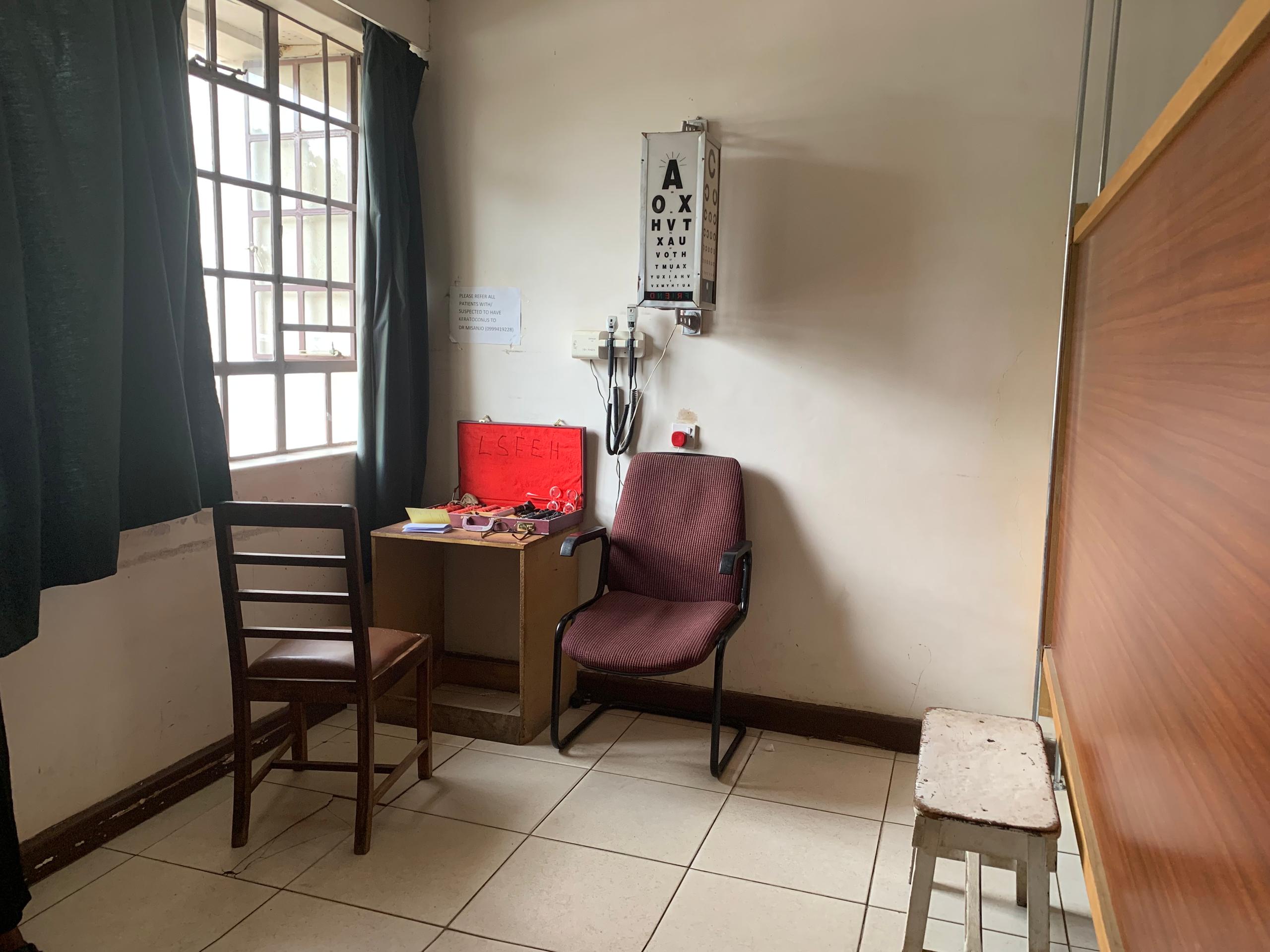
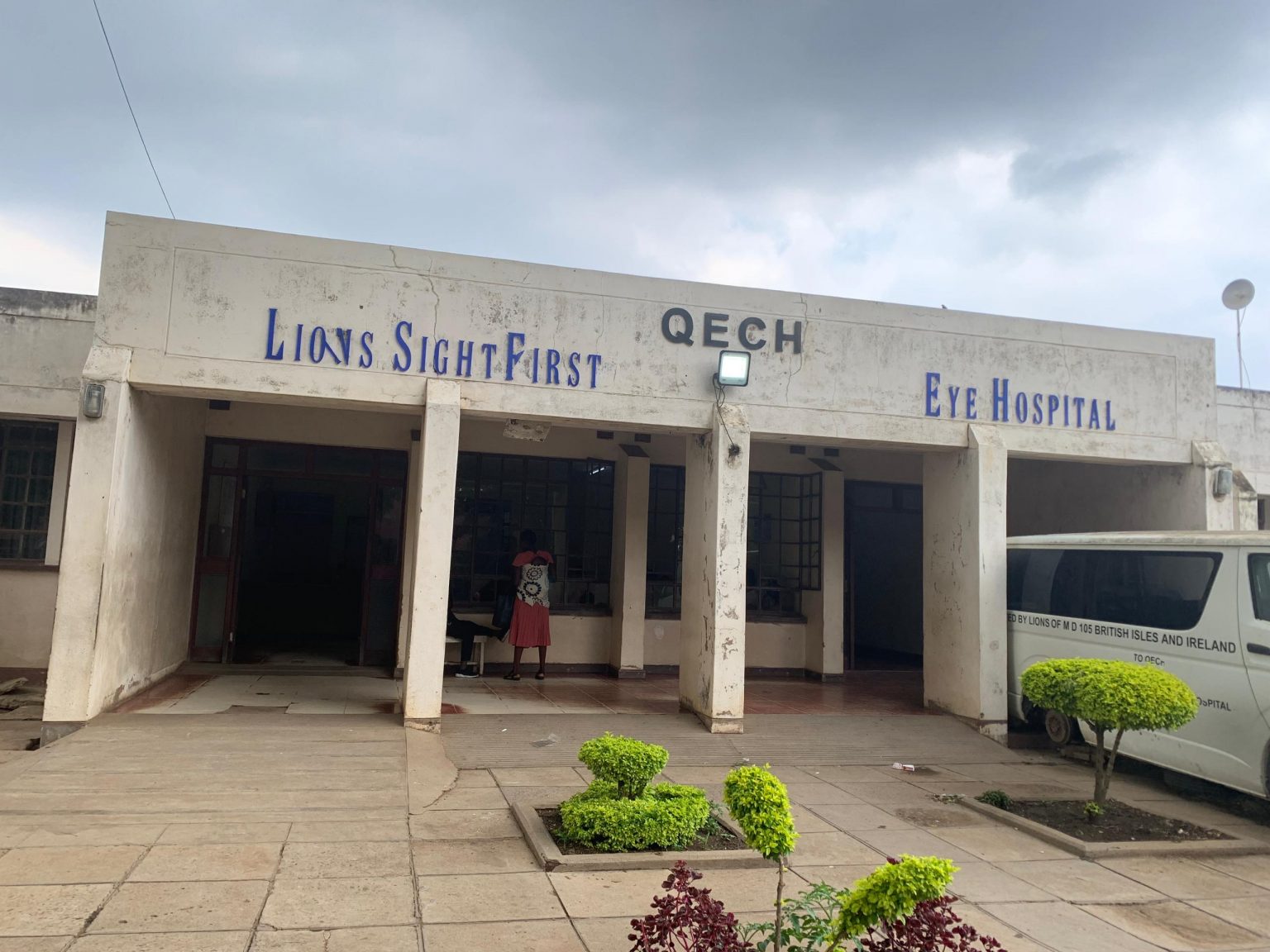
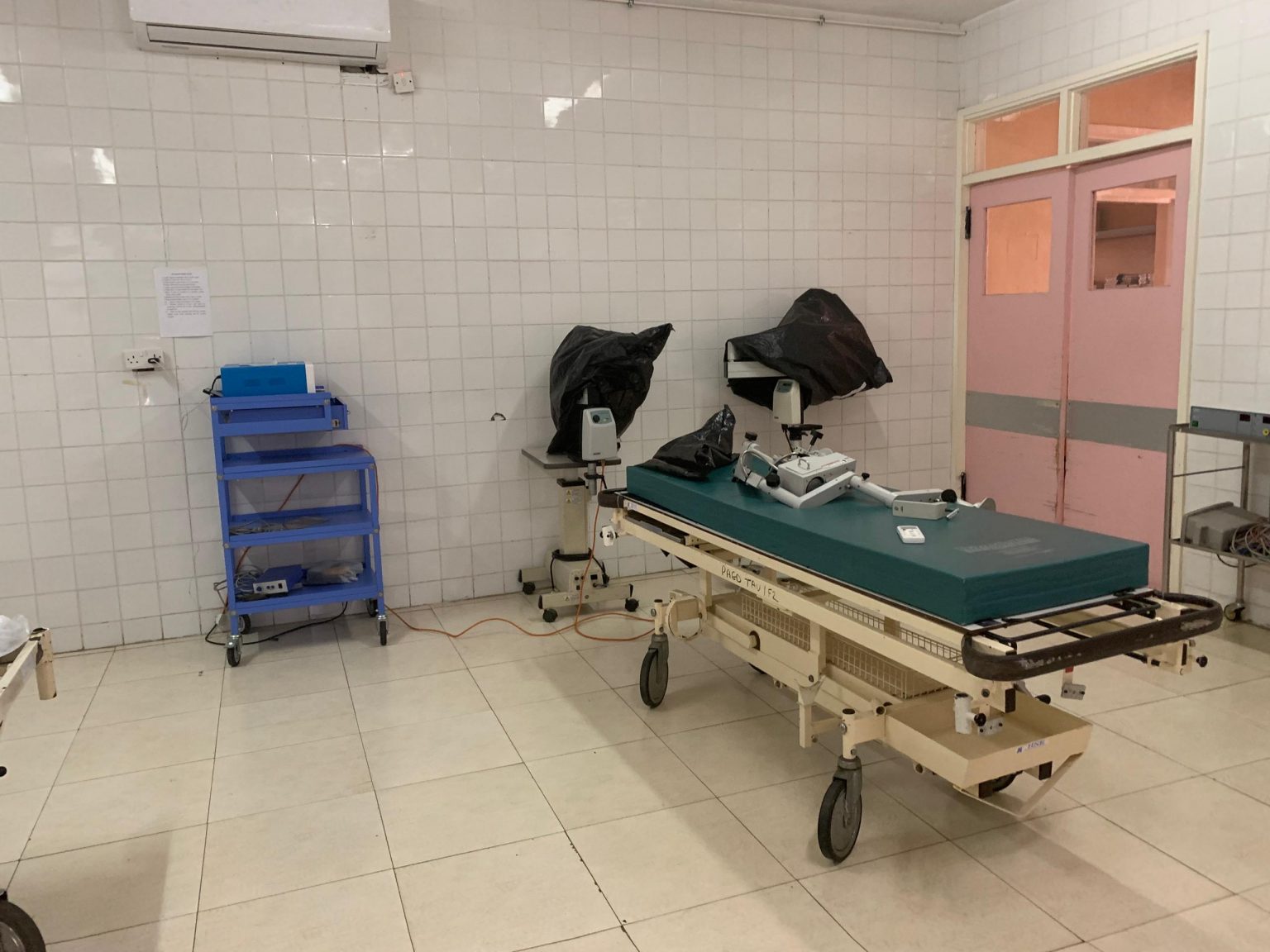
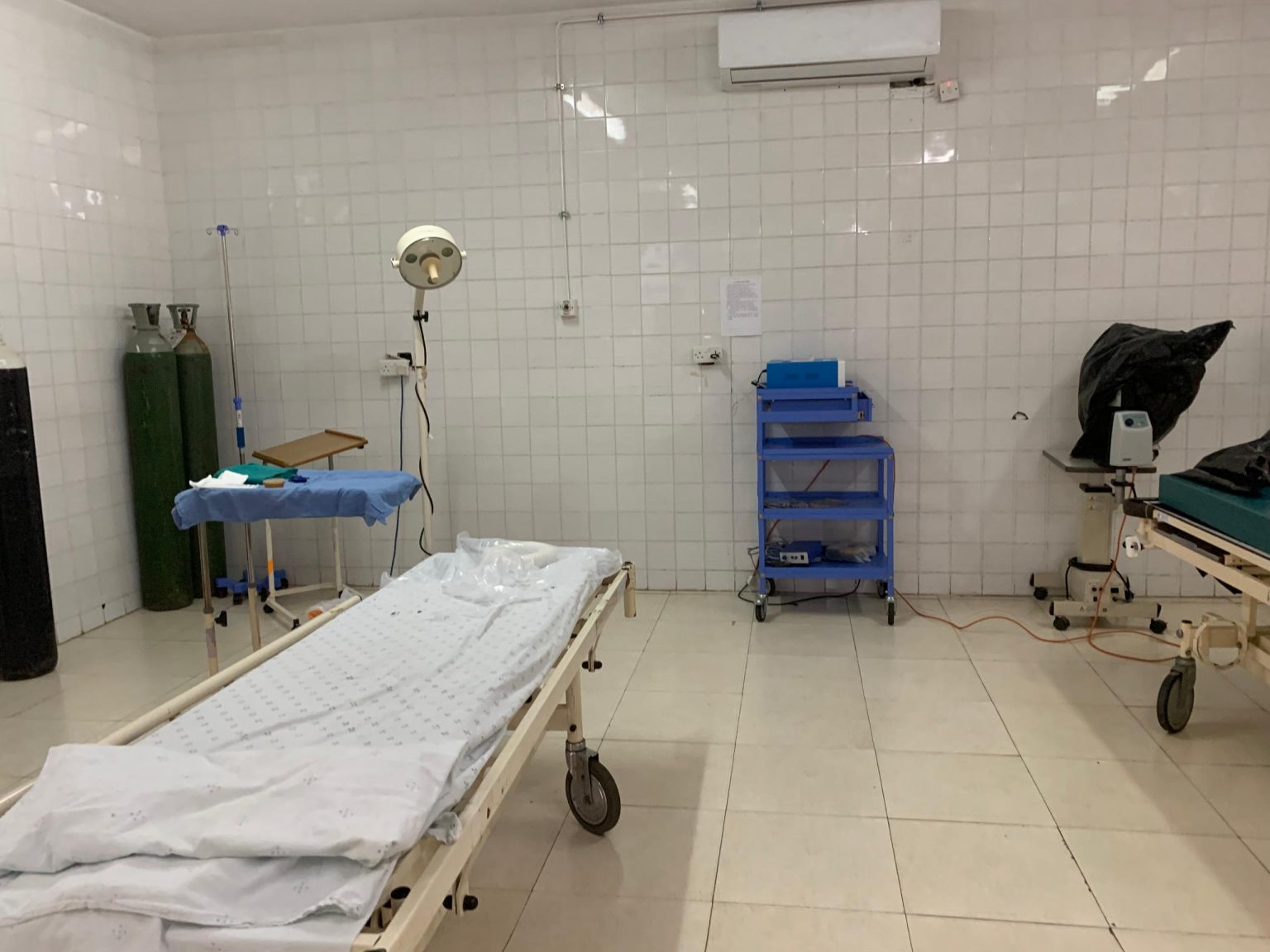
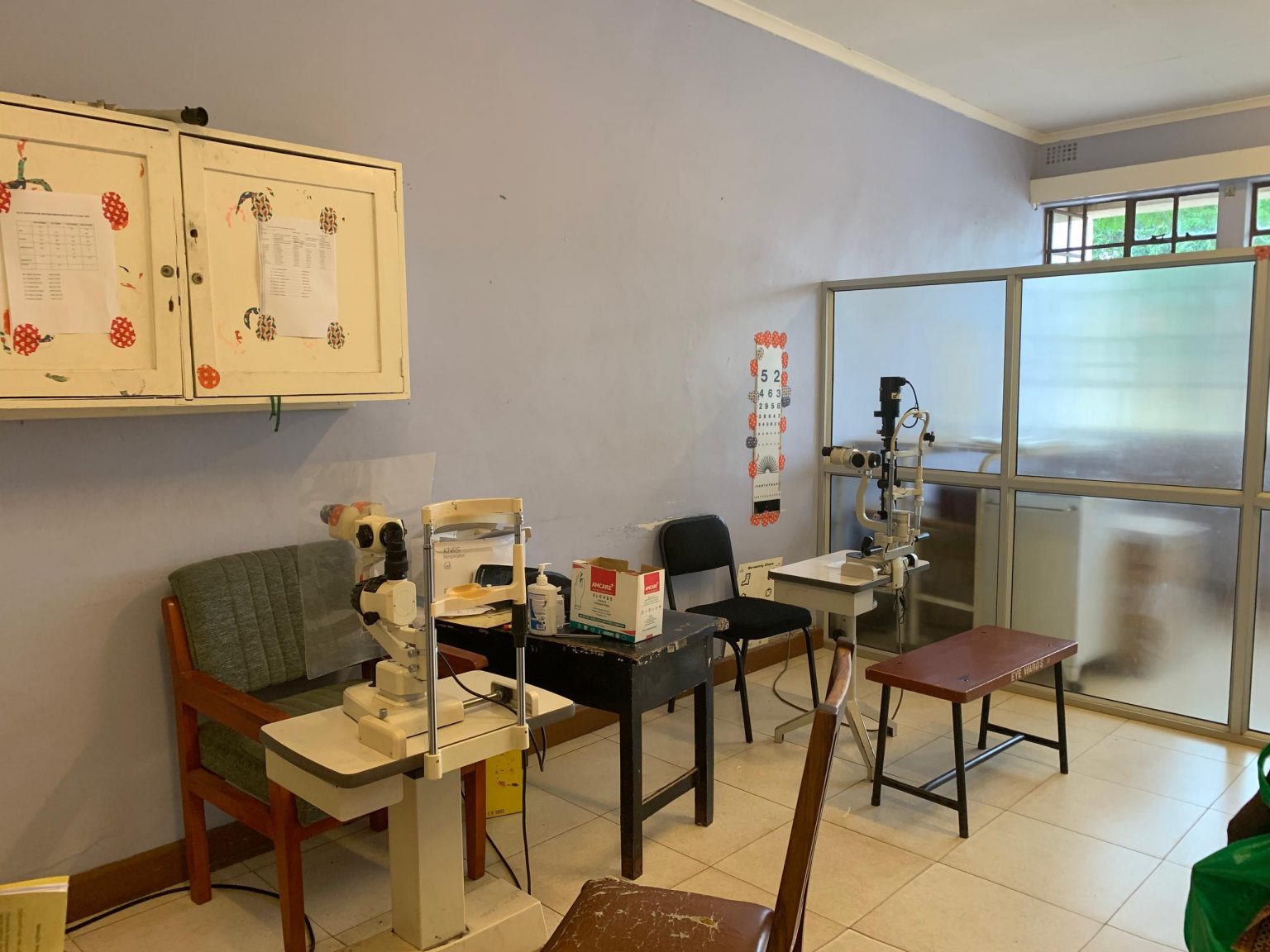
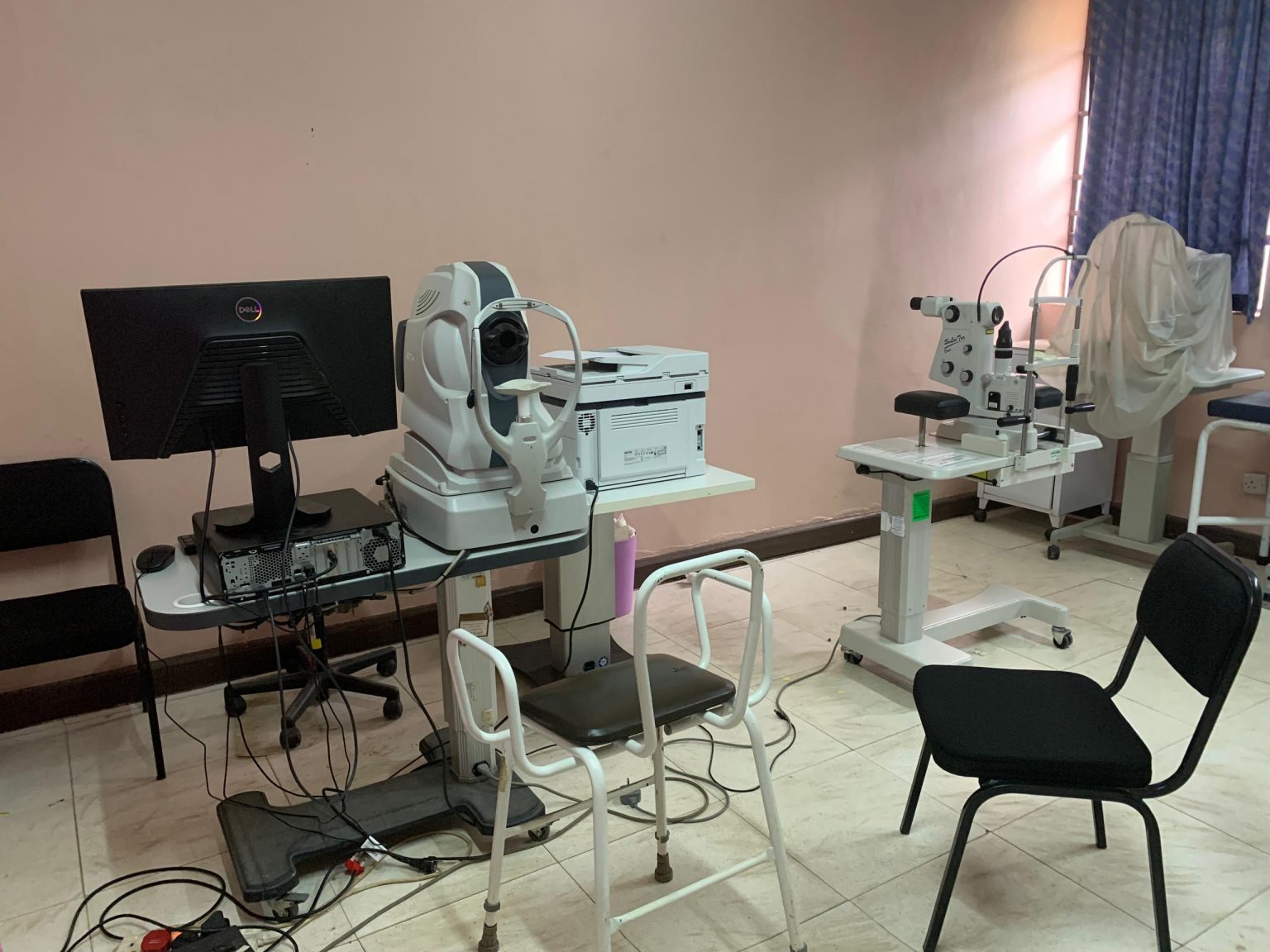
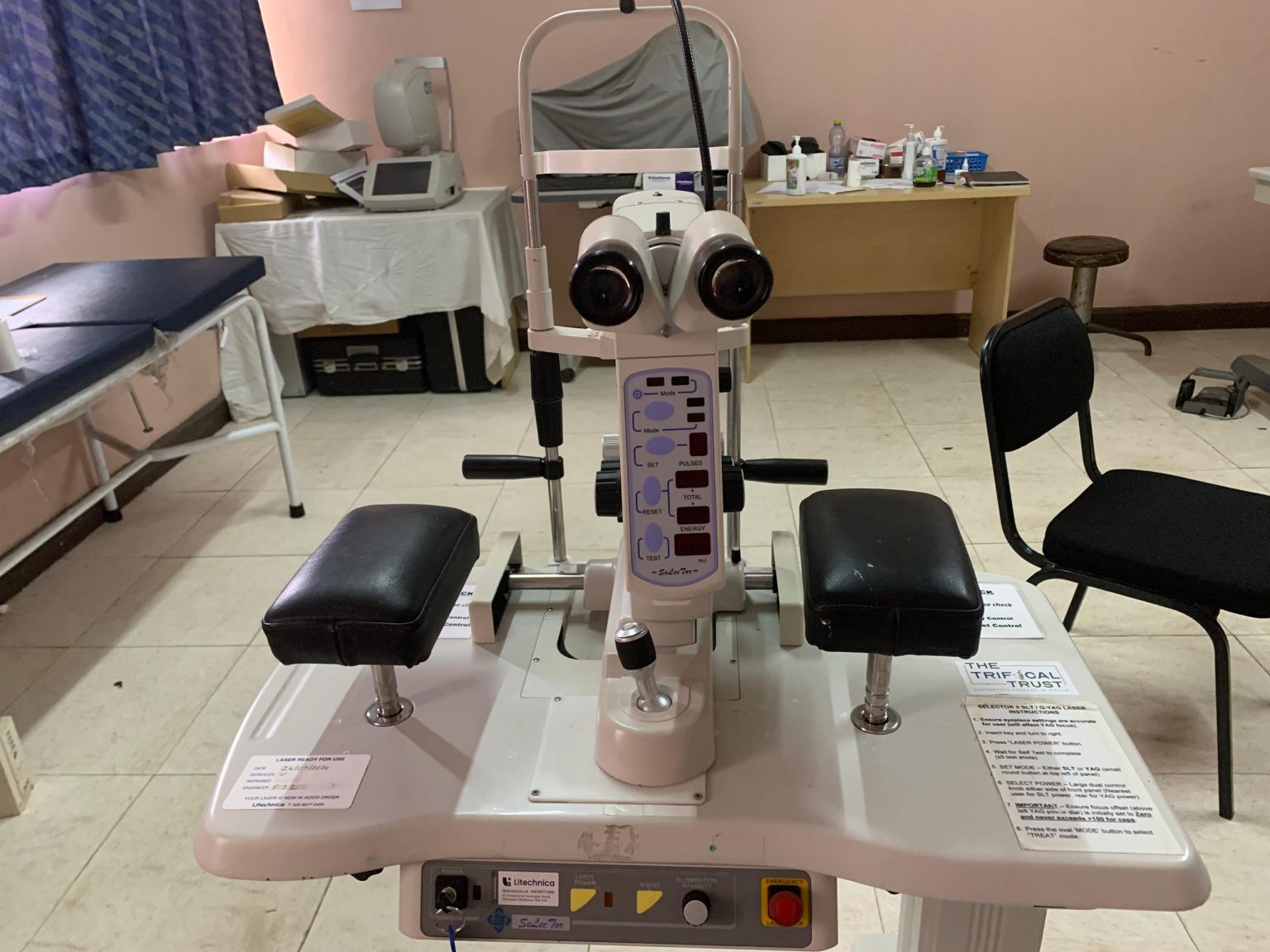
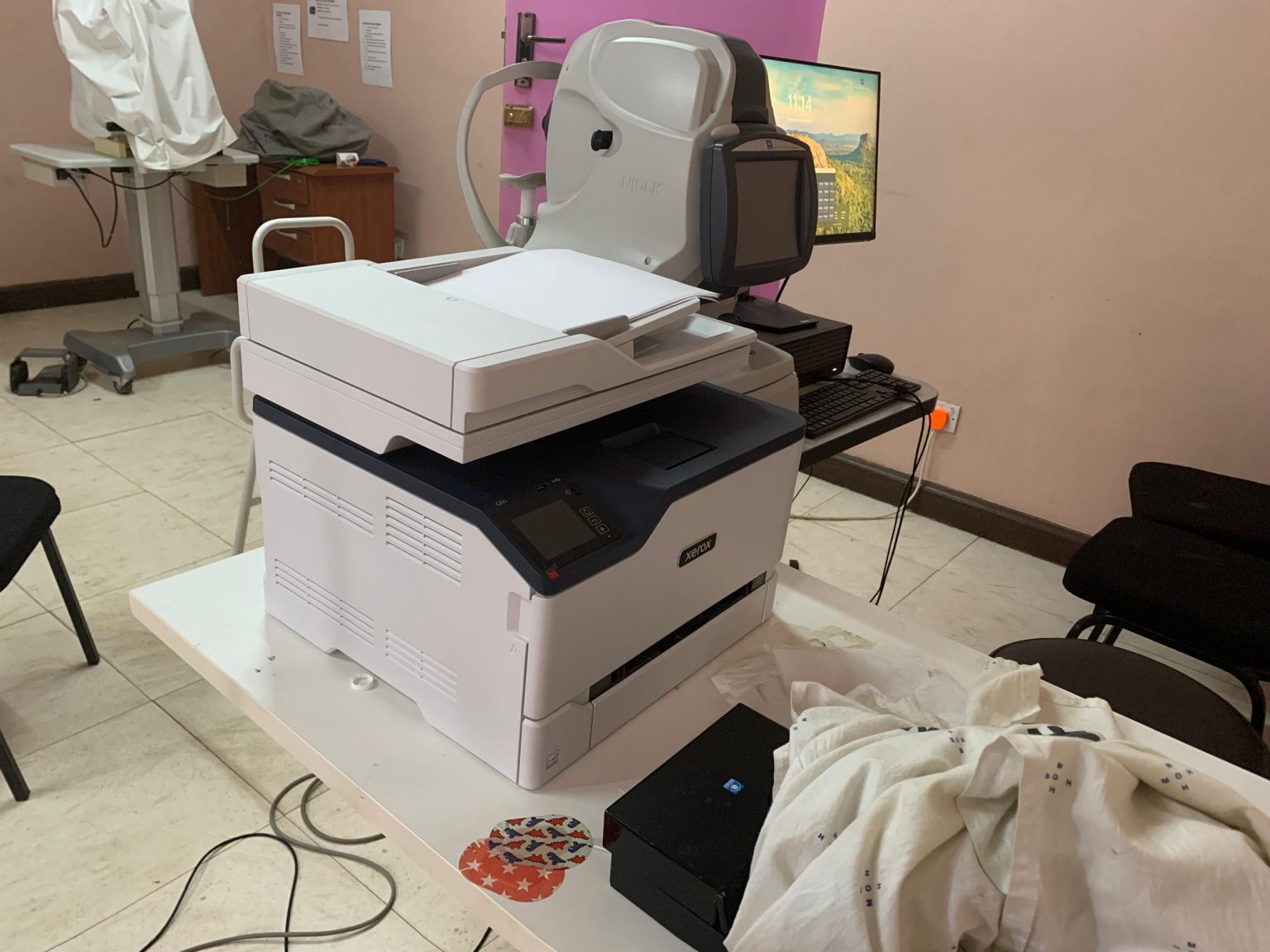
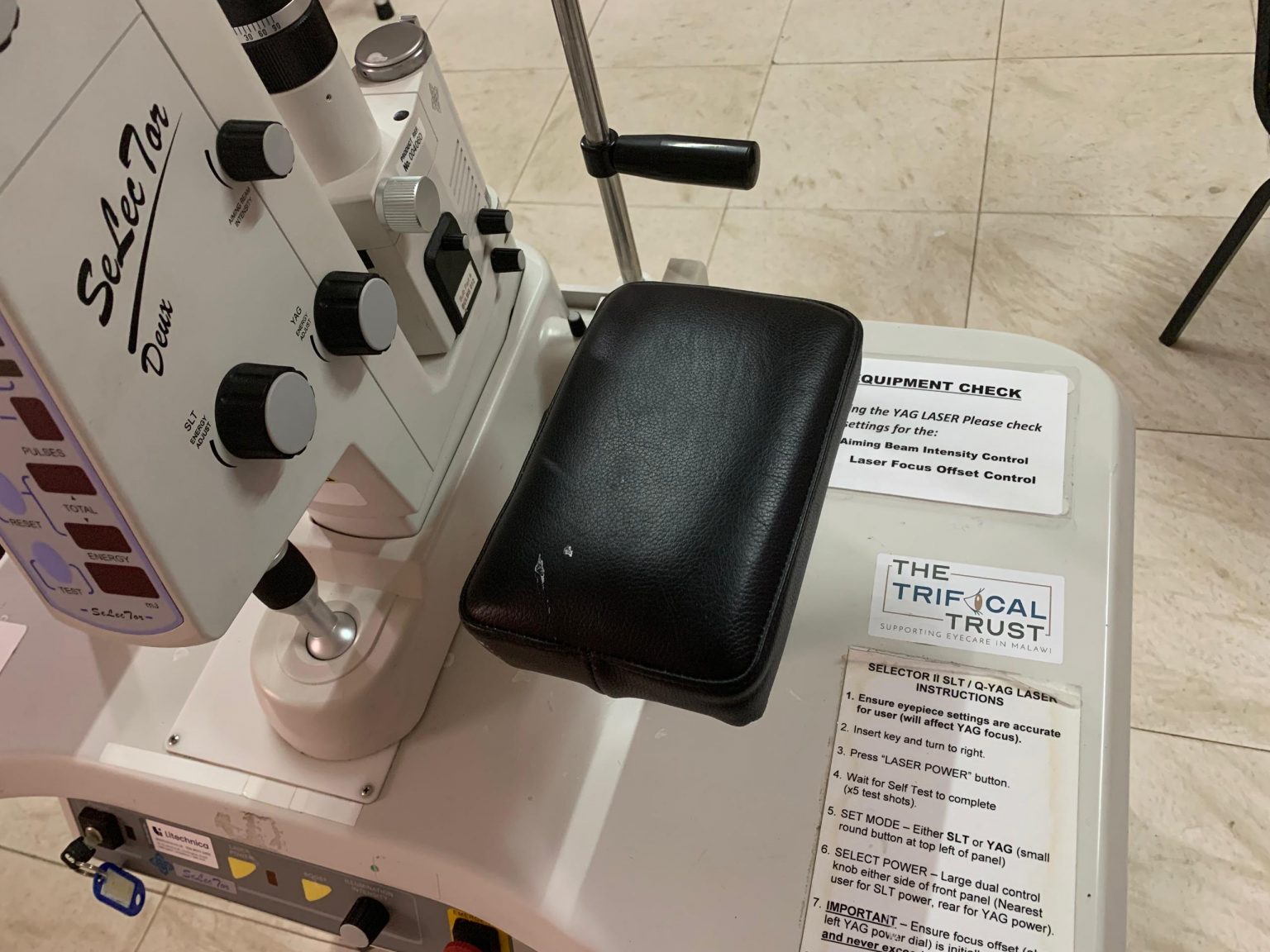
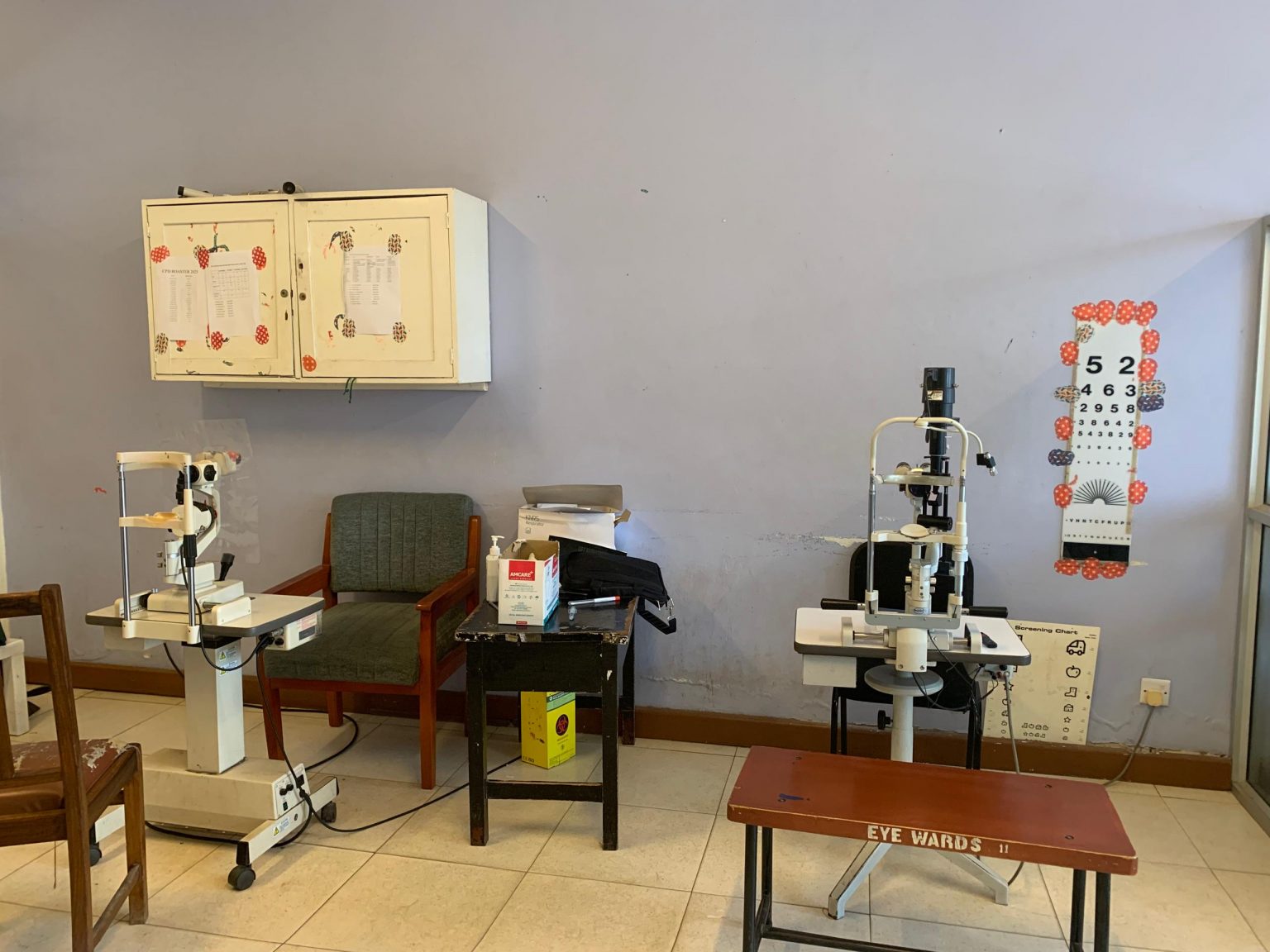
Lions Sight First Eye Hospital (often known as the Lions Eye Unit) is a leading ophthalmology centre based within Queen Elizabeth Central Hospital (QECH) in Blantyre, the main tertiary and teaching hospital for southern Malawi. The unit is the tertiary ophthalmology centre for the region and the national referral centre for paediatric eye conditions.
This placement is designed specifically for students who are genuinely interested in ophthalmology as a future career. With experienced clinicians, active research links and a wide spectrum of clinical cases, the Lions Eye Unit offers a focused training environment that combines clinical learning, exposure to specialist services and opportunities for involvement in public health and research projects.
If you are considering a future in ophthalmology, this is a unique chance to learn alongside senior residents, consultants and KUHeS staff, while gaining insight into eye care delivery in a major East African referral centre.
FTE Take – KUHeS – Ophthalmology and Dentistry
Elective-Suitability Rubric
To help you compare sites and make informed choices we offer this summary assessment of the sites we offer. This reflects the academic lead’s analysis in the light of site visits and the feedback available to us, but please note that staff turn-over can be high and things can change rapidly in small centres. The following is therefore for guidance only.
|
Dimension |
Description |
|
Malawi is a wonderfully welcoming country but less developed than many and therefore sometimes challenging in terms of things like transport options, food choices and power cuts. There are more flights to Lilongwe than Blantyre, which is more convenient and where Medic to Medic staff can offer airport pick-up and accommodation if you wish. It is a very rewarding destination at the more challenging end of the elective spectrum. Blantyre is a bustling capital city and home to its single medical school. |
|
Visitors should be mindful of road safety and petty crime but the country is renowned for its hospitality and generally safe. |
|
Placements at KUHeS offer ample opportunities for linking with other visiting elective and Malawian medical and dental students. |
|
Lions Sight First Eye Hospital that is excited to be welcoming potential future ophthalmologists for focused electives. A bespoke programme offering broad relevant experience will be offered. Dental elective placements offer engagement with a very broad range of activities and conditions, including head and neck cancers. You will be working alongside Malawian dental students. |
|
Limited – these are academically focused teaching units. |
|
Malawi in general is a little more expensive than neighboring African elective opportunities but still very good value. |
|
Medic to Medic can assist with travel around Malawi for those staying with them. Otherwise local taxis or minibuses known as Khombis may be your only option. |
|
Ophthalmology in Blantyre can be used to support ST post applications. |
|
Healthcare Improvement projects may be feasible if well planned in advance. |
Additional Comments and Tips specific to this host
These two elective sites are part of the Kamuzu University of Health Sciences (KUHeS) through which electives are organised locally. Medic to Medic, our main partner in Malawi is happy to assist with accommodation and other arrangements but this is separate to the academic component.
KUHeS offers an elective guide for visiting students, as does Medic to Medic.
Students joining the Lions Eye Unit take part in a structured programme aligned to ophthalmology training at QECH and KUHeS.
A typical week includes:
-
Morning ward rounds with the ophthalmology team
-
Outpatient clinics (cataract, glaucoma, paediatric, diabetic eye clinics)
-
Intermittent theatre sessions (e.g., paediatric cataract surgery)
-
Eye trauma exposure
-
Community outreach programmes, including trachoma and onchocerciasis control
-
Afternoon teaching, including local student lectures and CPD sessions (page 2)
Students must be fully focused on ophthalmology and are expected to engage proactively in clinical learning, reflective practice and ethical conduct. Electives run for 4–6 weeks, with placements available year-round except December due to the Christmas break.
Supervision is provided by senior residents, consultants and the Head of Department, who ensure that students are supported and supervised at all times.
-
Cataract assessment and surgery
-
Glaucoma services
-
Paediatric ophthalmology
-
Diabetic eye disease
-
Eye trauma management
-
Outpatient ophthalmology clinics
-
Community eye health outreach (including trachoma and onchocerciasis programmes)
-
Audit and small research projects (subject to supervision availability)
This is a focused specialist elective suitable for students with a strong interest in ophthalmology as a career.
Accommodation is not provided directly by KUHeS.
Students typically stay at:
-
Medic to Medic House (approximately 30-minute walk from QECH; includes Wi-Fi and shared kitchen facilities). Please note that this is self catered accomodation.
-
Nearby lodges such as Kabula Lodge (approximately 20-minute walk from the hospital)
Airport pickup and accommodation arrangements can be organised through Medic to Medic for an additional fee.
Accommodation costs are separate from the placement fee.
The placement is based in Blantyre, Malawi’s commercial centre and one of the country’s main urban hubs.
Shops, cafés and local services are within walking distance of Queen Elizabeth Central Hospital. Taxis and local minibuses are widely available and affordable.
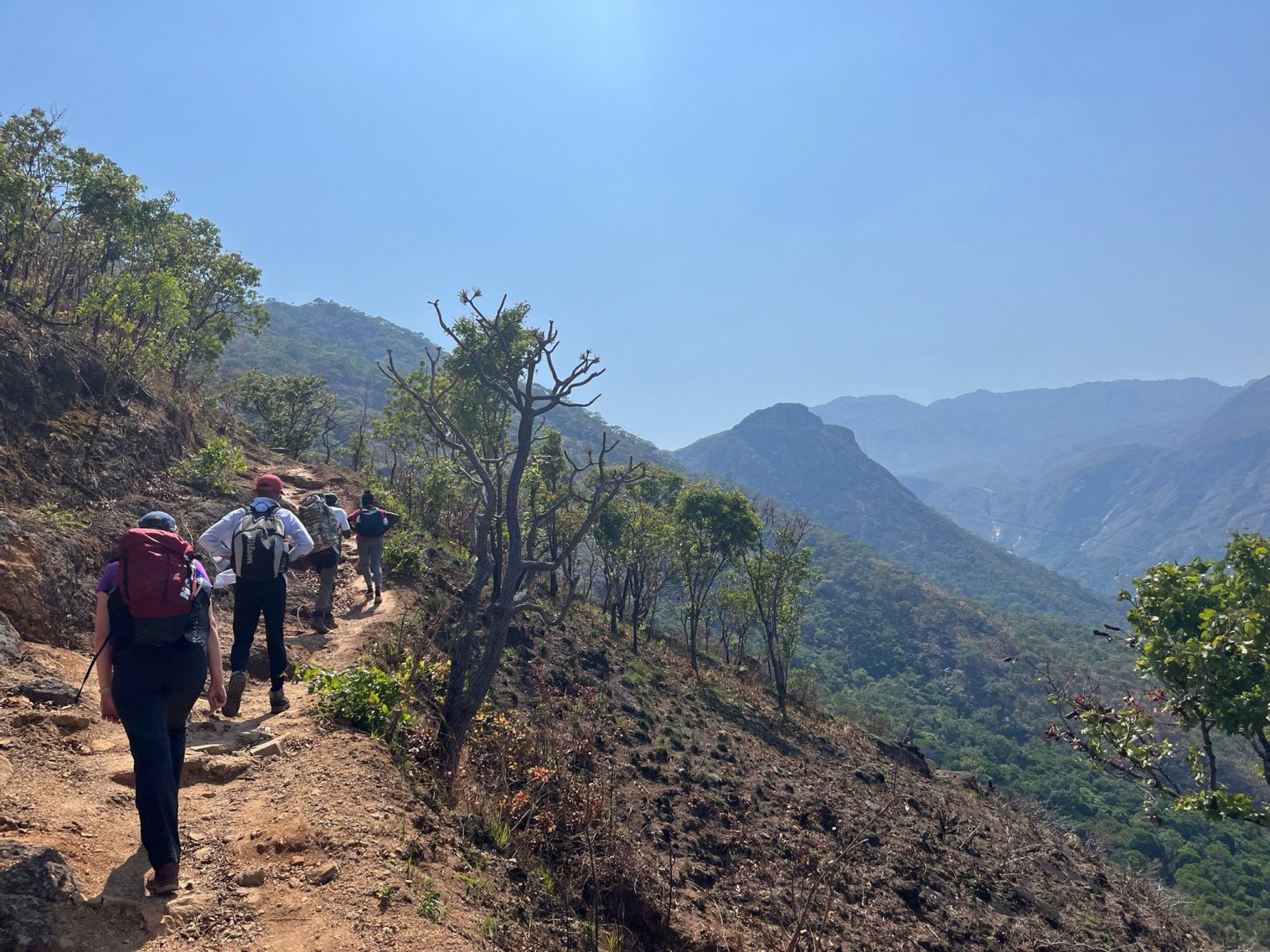
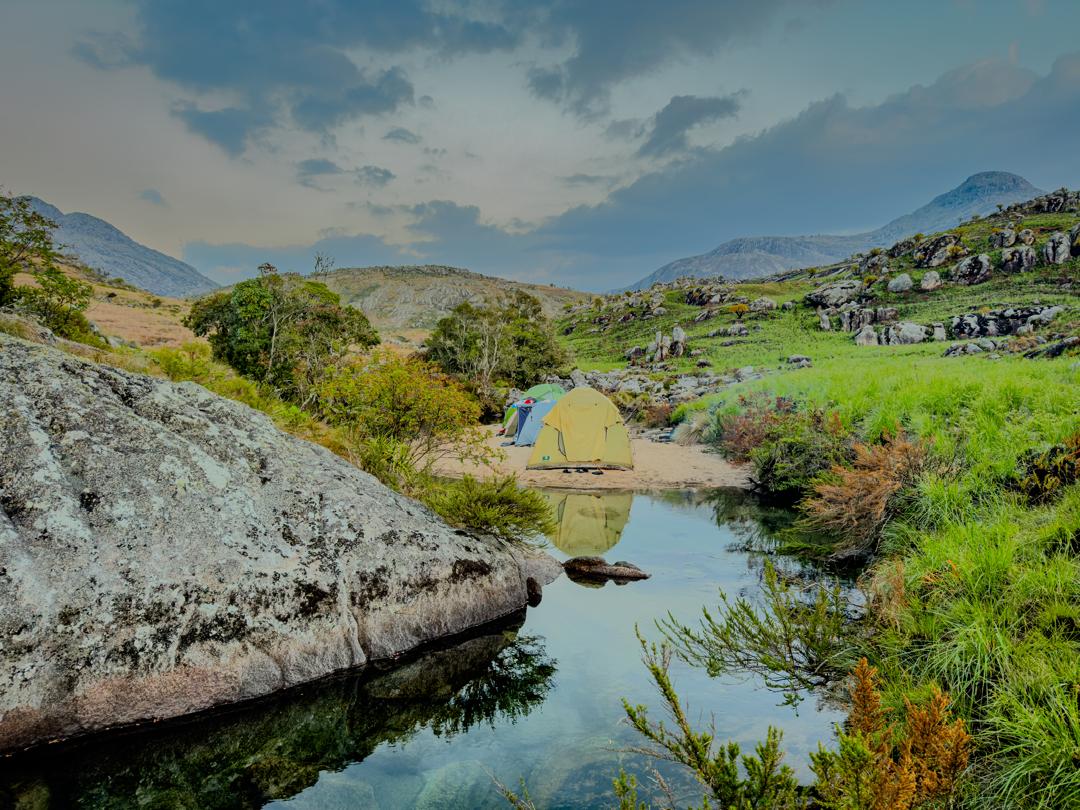
For weekend travel, popular destinations include Mount Mulanje, Zomba Plateau and Majete Wildlife Reserve. KUHeS campus facilities, including sports and swimming areas, are also accessible nearby.
Blantyre offers a busy hospital environment combined with access to Malawi’s natural landscapes.
| Item | Details |
|---|---|
| 4-week placement | $400 total (US $100/week) |
| Extra weeks | $100 per week |
| Medical Council registration | $150 one-time fee |
| Accommodation | Approx. $20/night (Medic to Medic House or similar) |
| Airport pickup | Not arranged by KUHeS; M2M can support (fee applies) |
| Availability | Year-round |
Included:
Supervision, access to clinics and teaching, KUHeS campus facilities.
Not included:
Accommodation, food, flights, visas, SIM/data, weekend travel.
FTE booking fee applies
Who is this placement suitable for?
Students who have a genuine interest in ophthalmology and wish to gain specialist clinical exposure.
What will I do clinically?
Ward rounds, clinics, theatre exposure, eye trauma, outreach and afternoon teaching.
How many students can be hosted at once?
Maximum two FTE students at a time.
Do I need to speak Chichewa?
No. English is widely used in clinical environments. Doctors and other students assist with translation.
Is accommodation included?
No. Students book independently, with options including the Medic to Medic House and nearby lodges.
Is there WiFi?
Yes on KUHeS campuses and at Medic to Medic accommodation.
What are the dress expectations?
Conservative, professional attire. Scrubs or white coats acceptable. No short skirts, crop tops, or revealing clothing.
Is LGBTQ+ identity legal?
LGBTQ+ practices are illegal in Malawi; discretion is essential.
What does fundraising support?
Funds raised are directed via Medic to Medic, supporting local healthcare students.