Western Regional Hospital (Gandaki) Pokhara, Nepal
Locations
Pokhara, Nepal
Elective Options
Usual Capacity
20 Spaces
Cost & Dates
4 weeks £660 inclusive of accommodation
Fee for additional weeks £165
Multiple Dates
Subject Areas
Maternity
Orthopeadic Surgery
Paediatrics
Psychiatric
Dermatology
Emergency
-
Overview
-
Academic Overview
-
Elective Format
-
Subject Areas
-
Accommodation
-
Local Area / Map
-
Cost & Dates
-
Media
-
FAQ
Pokhara Academy of Health Sciences (PoAHS) is one of nine health science academies in Nepal. The academy delivers undergraduate and postgraduate medical education and is based at Western Regional Hospital in Ramghat, Pokhara, within Gandaki Province.
Western Regional Hospital is located just outside the main commercial centre, close to the primary road linking Pokhara with southern Nepal and Kathmandu. Its position ensures accessibility for the surrounding communities it serves.
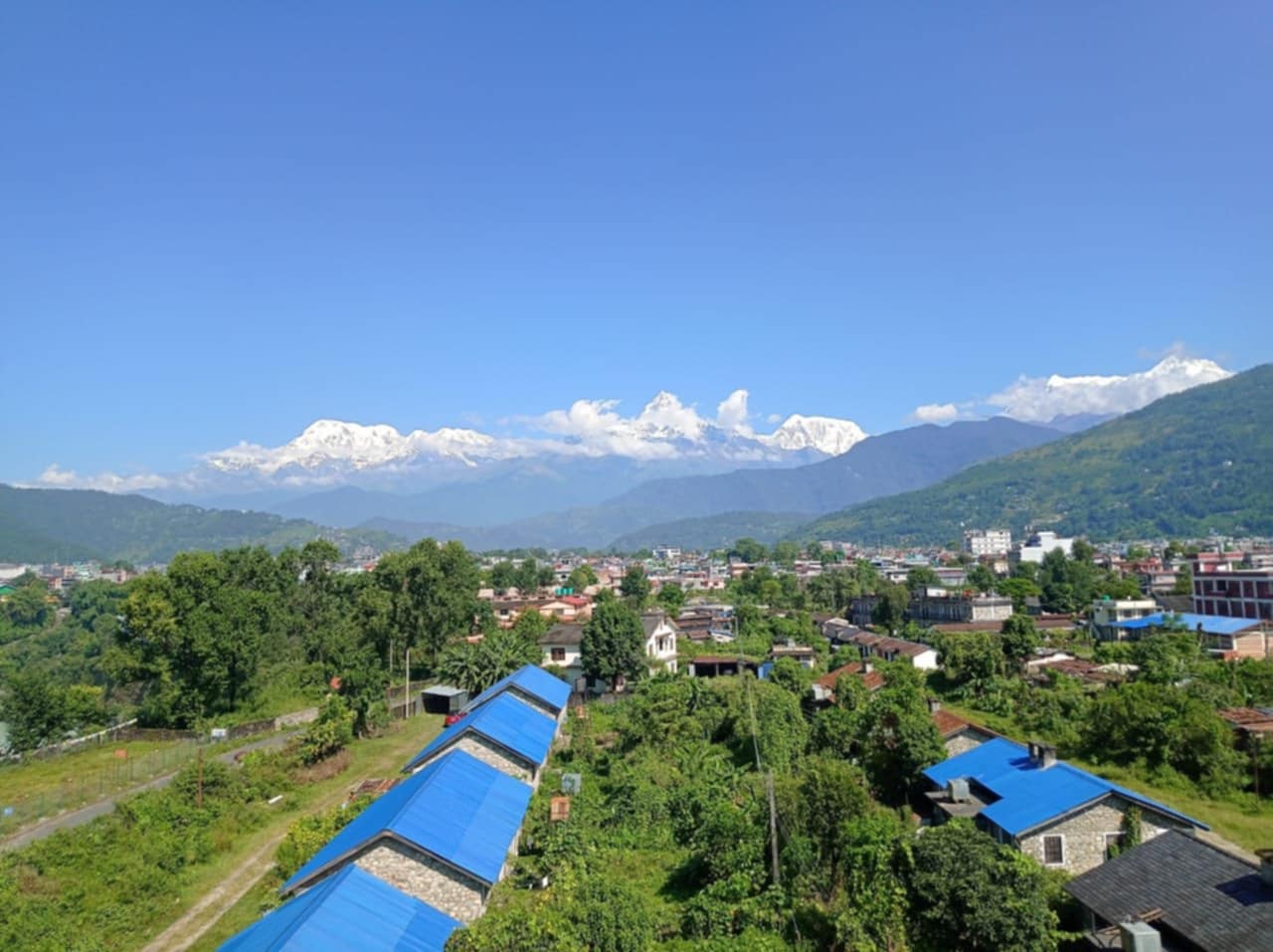
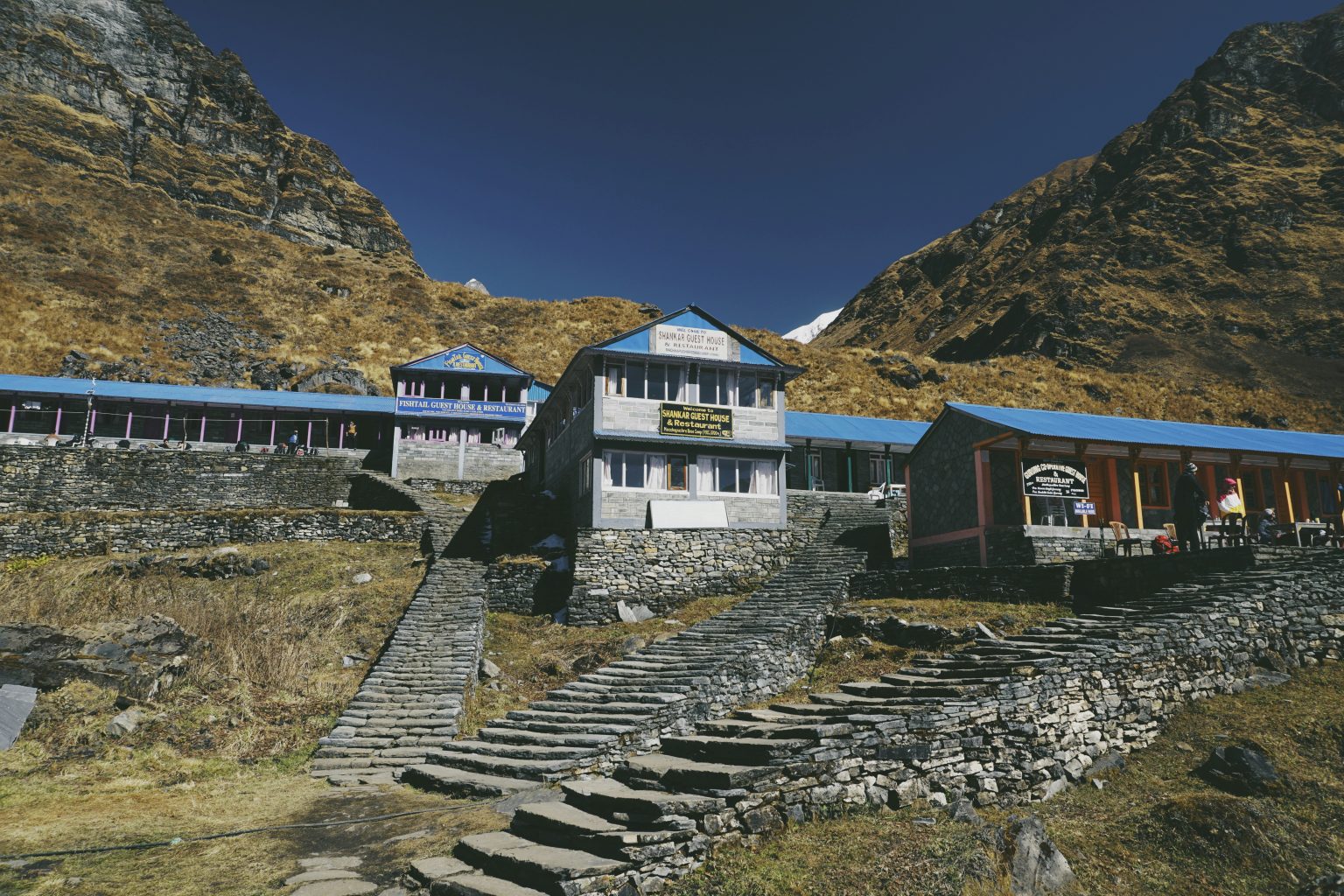
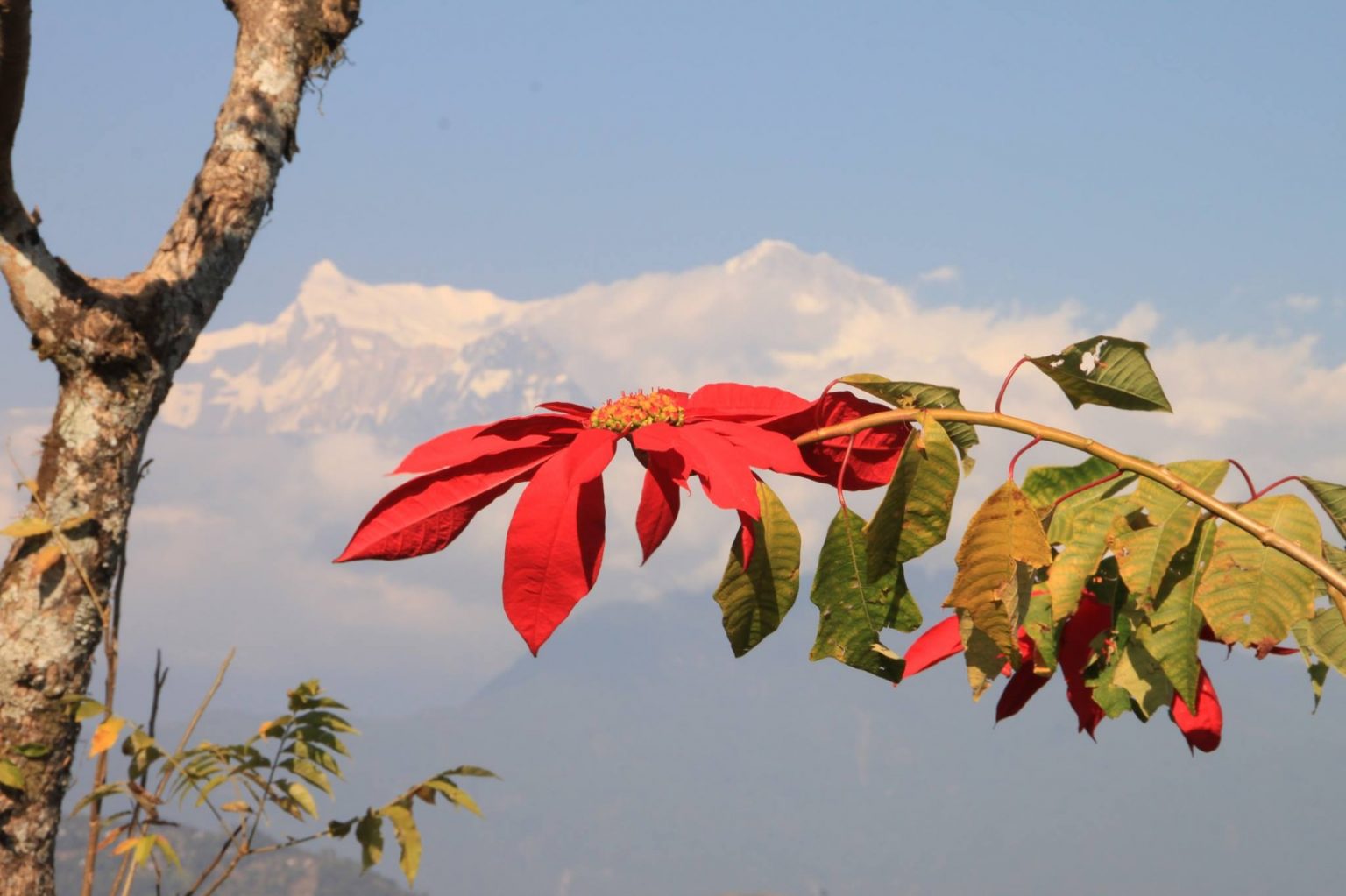
On clear days, the Annapurna mountain range is visible from the hospital grounds, providing a striking natural setting for both the hospital and the medical college.
Elective-Suitability Rubric
To help you compare sites and make informed choices we offer this summary assessment of the sites we offer. This reflects the academic lead’s analysis in the light of site visits and the feedback available to us, but please note that staff turn-over can be high and things can change rapidly in small centres. The following is therefore for guidance only.
| Dimension | Description |
|
Nepal, and especially Pokhara, is such a well-established tourist destination that this is typically a very comfortable elective. This is aided by the homestay arrangements, which get consistently great feedback.
However, some may find road travel an alarming (and slow) experience in Nepal and students report some frustrations with language in the clinical setting as rounds are generally conducted in Nepali. |
|
Visitors should be mindful of road safety and petty crime as ever, but the country is very hospitable and generally safe. |
|
You are likely to be in the company of other overseas students from various nations, and your hosts are very inclusive and welcoming.
Local students will vary based on their timetables. |
|
Predominantly an observational site but this will vary somewhat depending upon the clinical area you choose, your commitment, and the time you spend with a team.
Rural Health camps, if you have the opportunity, will be much more hands-on at a basic level. |
|
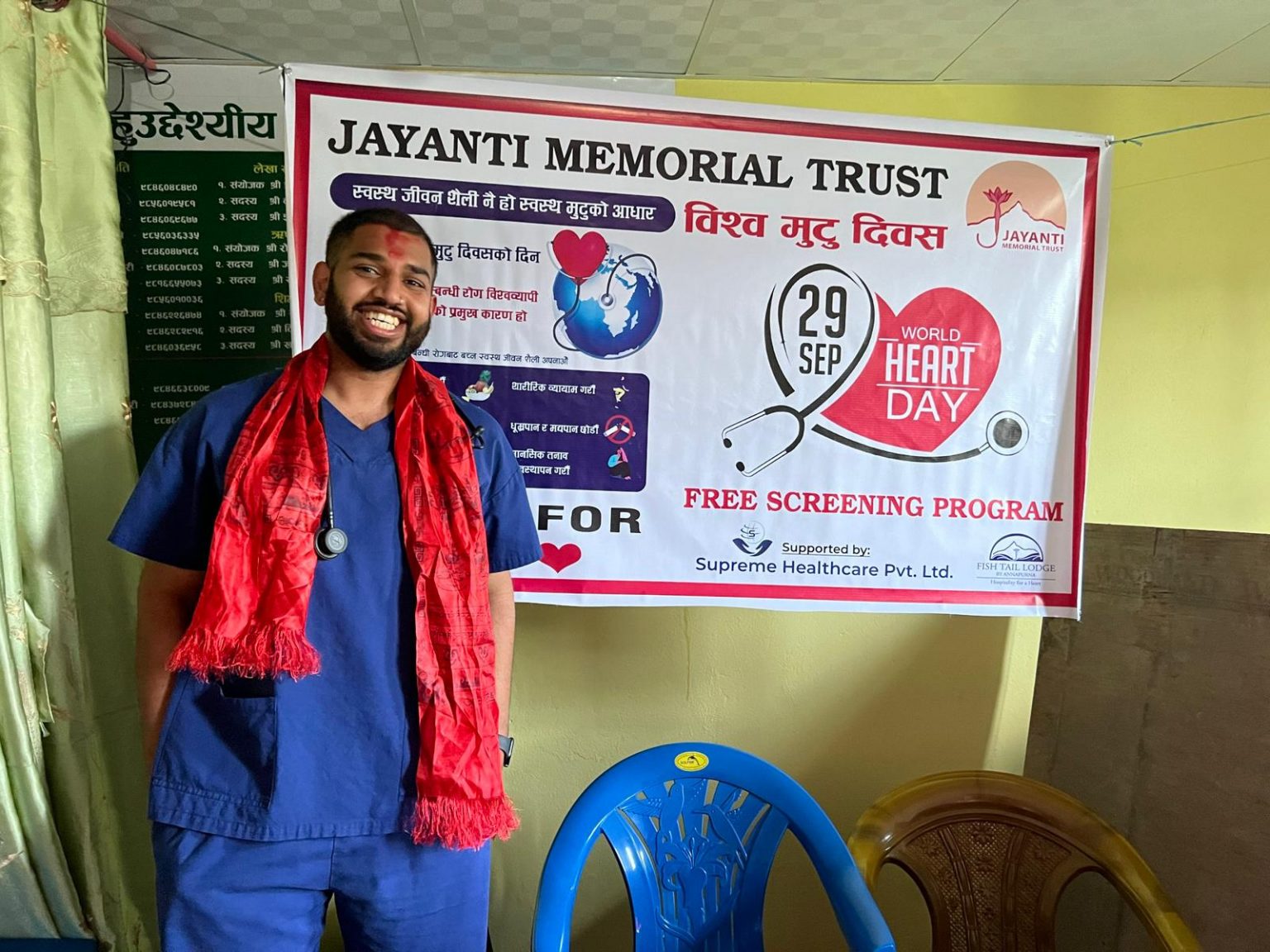
Your elective includes a contribution to the local ‘Social Fund’ which supports patients who cannot afford key services.
You may be able to arrange to support a rural health camp through fundraising. We can raise this with your hosts on your behalf. |
|
Pokhara offers an all-inclusive placement which is excellent value. |
|
Nepal abounds with activities and attractions to suit all tastes, but some can be highly seasonal, so bear this in mind. |
|
N/A currently |
|
N/A currently |
Additional Comments and Tips specific to this host
No elective manual currently available.
Fair Trade Electives encourages students to undertake an initial 4 week placement within one core clinical area. This allows time to settle into the hospital environment, build relationships with local staff, and gain a deeper understanding of the healthcare system.
Western Regional Hospital offers placements across core clinical specialties, with some sub-specialty exposure depending on availability. The typical structure of the week includes ward rounds in the morning and outpatient clinics in the afternoon. Out-of-hours exposure may be available by prior arrangement.
Students are allocated to a supervising doctor within their chosen department, and informal student buddy arrangements are encouraged where possible.
Additional short “taster” periods can sometimes be arranged in other clinical areas, including community visits, outreach clinics or health camps, subject to hospital capacity and scheduling.
During your elective, you may be required by your university to complete workplace-based assessments, signed off by your local clinical supervisor.
These may include:
-
AtoE (Airway, Breathing, Circulation, Disability, Exposure assessment)
-
CBD (Case-Based Discussion)
-
ACAT (Acute Care Assessment Tool)
-
Observed emergency response or acute care assessments
Students are responsible for confirming assessment requirements with their university in advance. Local supervisors are generally happy to support formal sign-off where appropriate and within the scope of the placement.
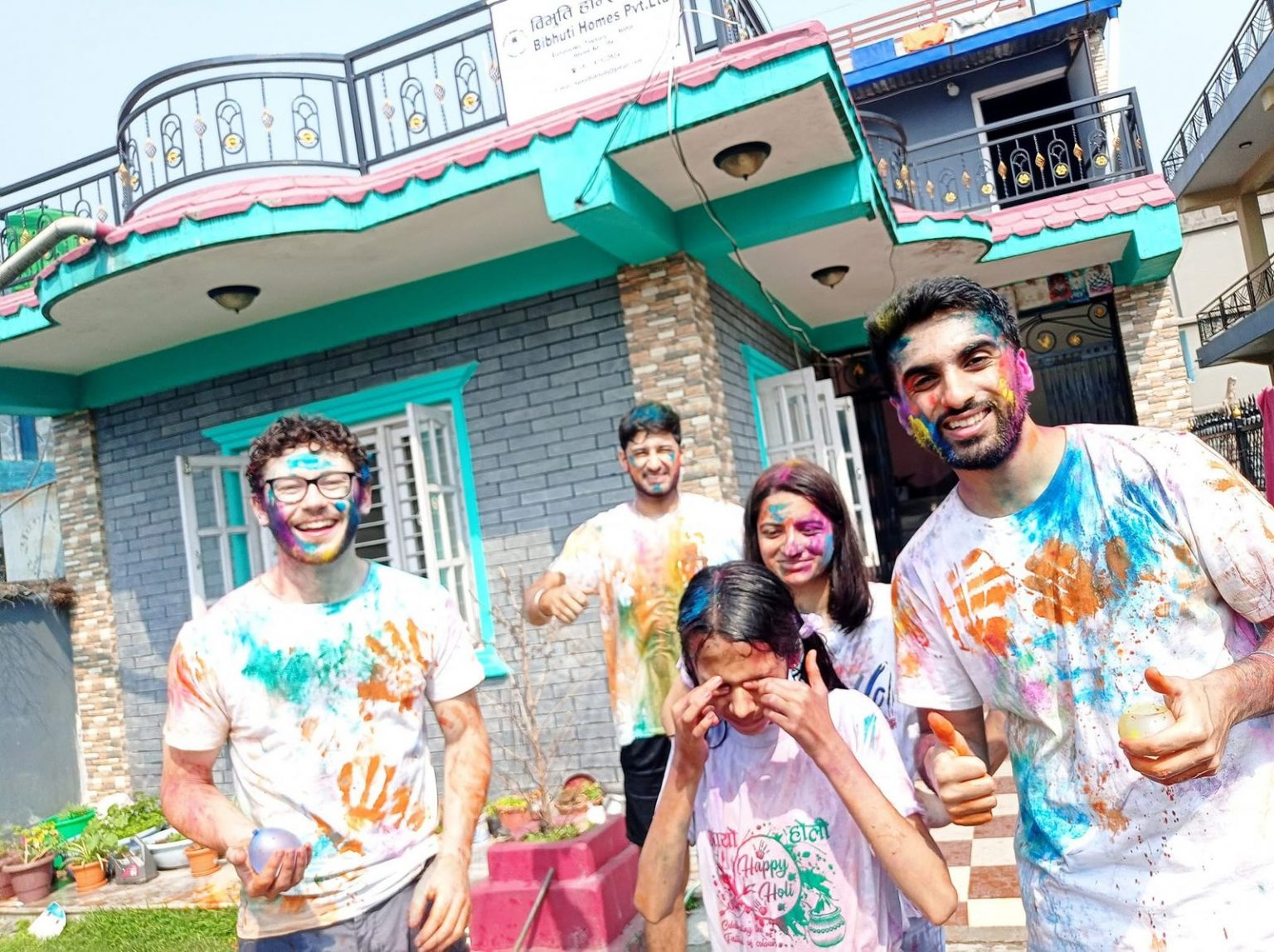
Homestay accommodation is provided at Bibhuti Homes, run by a local family who regularly host international medical students. The homestay is located in Pokhara, approximately 10–15 minutes’ walk from the hospital and around 15 minutes by taxi from the Lakeside area.
Students share twin accommodation and have access to hot and cold water, safe drinking water (RO purification system), high-speed WiFi, a washing machine, fridge, microwave and kettle.
Breakfast and an evening meal are included. Students may prepare their own lunch at the homestay where facilities allow.
During local holidays, the host family may offer opportunities to learn Nepali cooking and language, providing a richer cultural experience alongside the clinical placement.
Western Regional Hospital is located in Pokhara, in Kaski District in central Nepal, set against the backdrop of the Annapurna mountain range.
Pokhara combines residential neighbourhoods with well-established visitor areas. Lakeside and Damside form the main tourist districts, while Mahendrapul is the commercial centre. The hospital and homestay accommodation are located in the Ramghat area, approximately 10–15 minutes’ walk from the hospital.
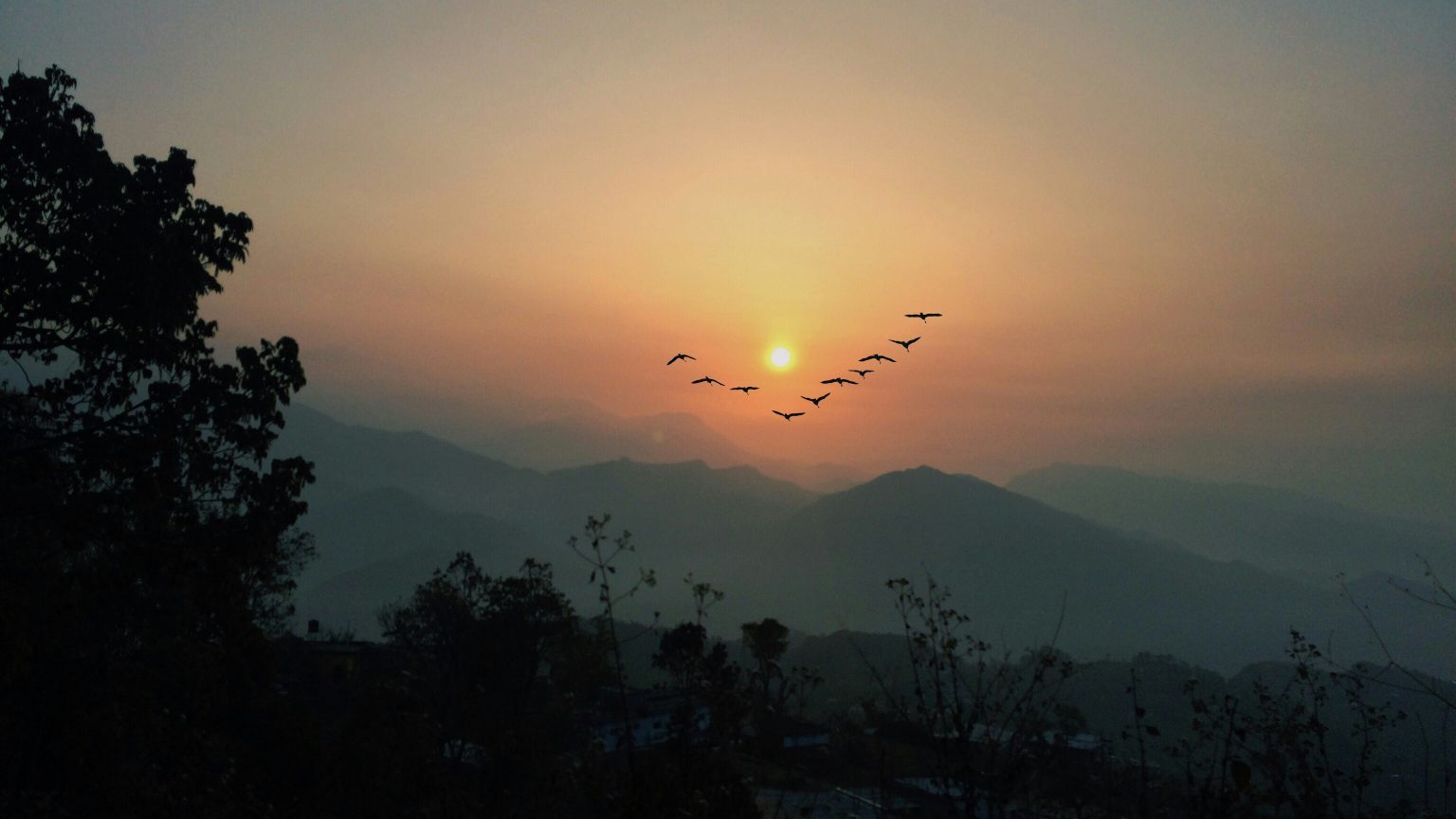
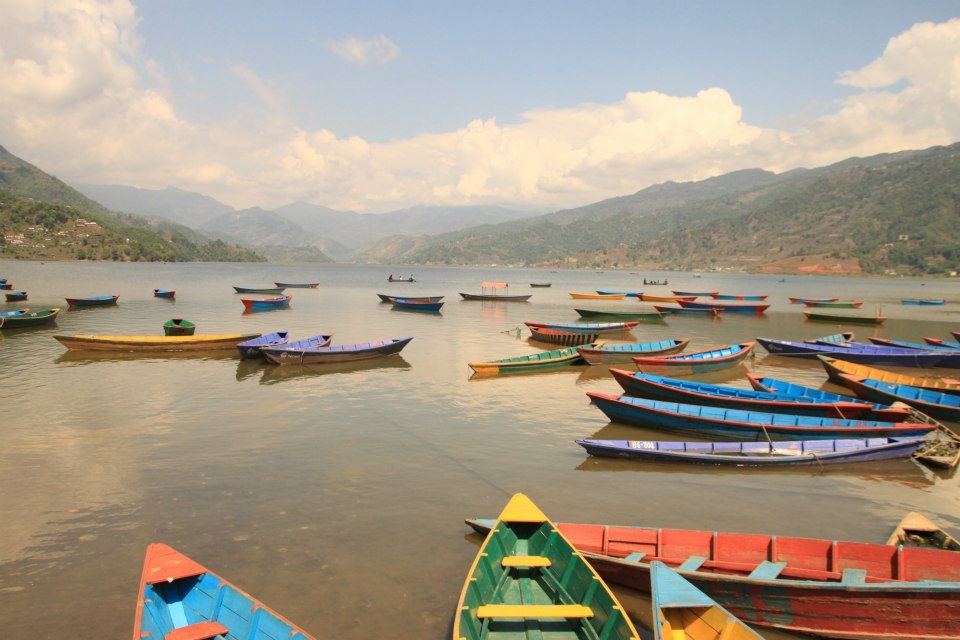
The region is known for its lakes, Himalayan views and access to outdoor activities including paragliding, rafting, zip-lining and boating. Yoga, meditation and cultural experiences are also widely available.
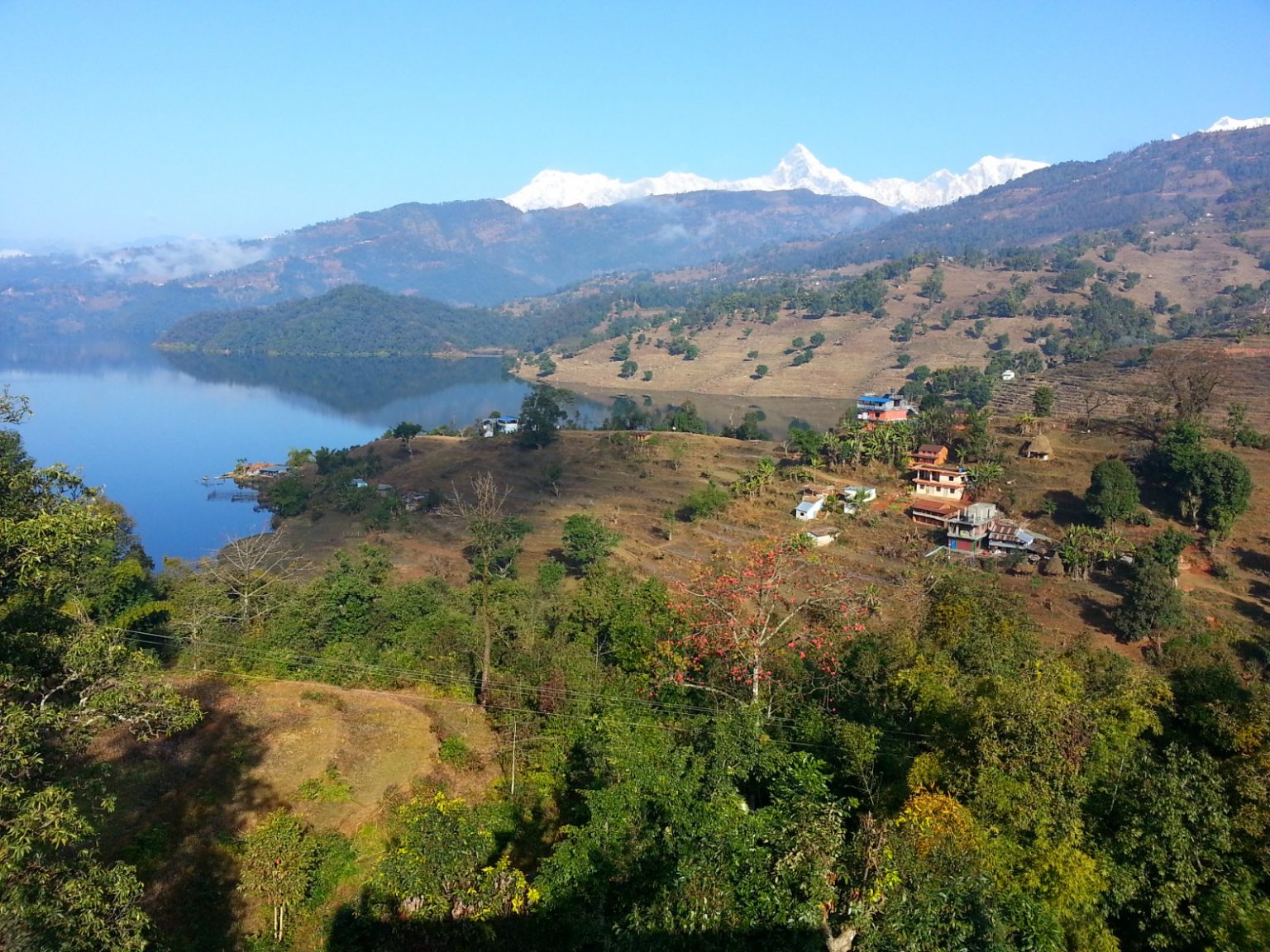
Beyond the main tourist areas, the lakes of Rupa and Begnas offer a quieter and more local environment, with simple guesthouses and a relaxed pace of life.
Pokhara is also a major starting point for trekking in the Himalayas. Routes such as the Annapurna Circuit, Annapurna Base Camp, Mardi Himal and Poon Hill are accessible from the region.
For further information about the local area, please visit:
https://pokharatourism.org.np/
| Item | Details |
|---|---|
| 4-week placement | £660 total |
| Additional weeks | £165 per week |
| Availability | Year-round |
| Minimum stay | 4 weeks |
Your elective fee includes
-
Homestay accommodation at Bibhuti Homes (twin shared rooms)
-
Daily breakfast and evening meals
-
Hospital fee of $50 per week
- Patient Social Fund $15 per week (directly supports patient care)
Optional
-
Kathmandu airport meet-and-greet service including 2 nights in Kathmandu and bus transfer– $200
Not included (personal or optional costs)
-
International flights
-
Visa costs
-
Travel insurance (including medical/elective cover)
-
Vaccinations
-
Lunch (students may prepare their own at the homestay where facilities allow)
-
Additional meals beyond breakfast and the evening meal
-
Daily transport to and from the hospital (if required)
-
Personal spending and leisure travel
FTE Booking Fee Applies
What is included in the placement fee?
The placement fee includes homestay accommodation (twin shared room), breakfast and an evening meal, supervision and local induction, access to hospital facilities, WiFi, safe drinking water and ongoing coordination from Fair Trade Electives.
What is not included?
Students are responsible for international flights, visa costs, travel insurance (including medical and elective cover), vaccinations, lunch, additional meals beyond breakfast and the evening meal, personal expenses and leisure travel.
Is lunch included?
Lunch is not included in the placement fee. Students may prepare their own lunch at the homestay where facilities allow, or arrange and cover the cost locally.
What should I expect on arrival?
If you arrange the optional Kathmandu meet-and-greet service ($200), a representative will meet you at the airport and assist with onward travel to Pokhara. If travelling independently, detailed arrival guidance will be provided in advance. On arrival at the hospital, students receive a local induction and orientation to the clinical environment.
Where will I stay?
Students stay at Bibhuti Homes in Pokhara, a family-run homestay experienced in hosting international medical students. The accommodation is approximately 10–15 minutes’ walk from the hospital and around 15 minutes by taxi from the Lakeside area.
Rooms are twin shared. Students have access to hot and cold water, safe drinking water (RO purification system), WiFi and basic kitchen facilities.
What clinical experience will I have?
Students rotate through available departments depending on hospital capacity and learning objectives. Clinical exposure may include ward rounds, outpatient clinics and supervised observation. All activity is supervised and aligned with local regulations and university guidance.
What are the working hours?
Students typically attend during standard daytime hours, Monday to Friday. Local public holidays will be communicated in advance.
What are the local expectations?
Students are expected to dress professionally, behave respectfully and observe local customs. Cultural awareness is important, and further guidance is provided during pre-departure training.
Is Pokhara suitable for LGBTQ+ students?
Nepal is considered one of the more progressive countries in South Asia regarding LGBTQ+ rights. However, students should exercise cultural awareness and discretion in public settings. Please contact the FTE team if you would like to discuss any concerns.
Will I have time to explore?
Yes. Pokhara is known for its lakes and mountain scenery. Students typically have evenings and weekends free to explore locally, at their own cost.
Who do I contact if I need support?
Students are supported by:
-
Local hospital supervisors
-
The homestay host family
-
The Fair Trade Electives team
Support is available throughout your placement.